Shadow over the Empire: The Life, Death, and Curse of Grigori Rasputin
Prologue: A Crack Through the Empire
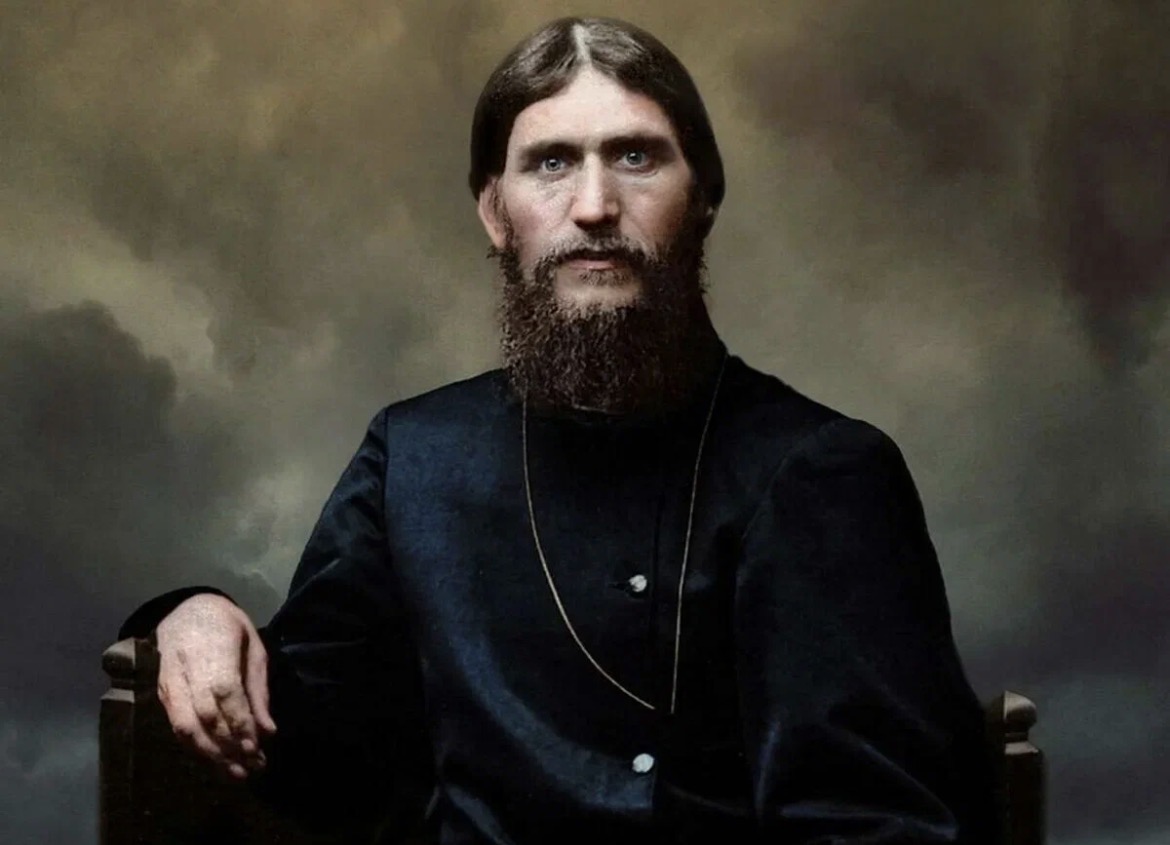
In the winter of 1916, the body of a peasant from the Siberian wilderness, wrapped in brocade, was lowered into the crypt of Tsarskoye Selo. The Empress wept as if she had lost a son. Grigori Rasputin—the "holy devil," healer, scandalous favorite—became the crack that split the Romanov throne. His murder in the basement of the Yusupov Palace became the prologue to the empire's demise.
Siberian Wanderer: The Path to the Foot of the Throne
Childhood in Pokrovskoye
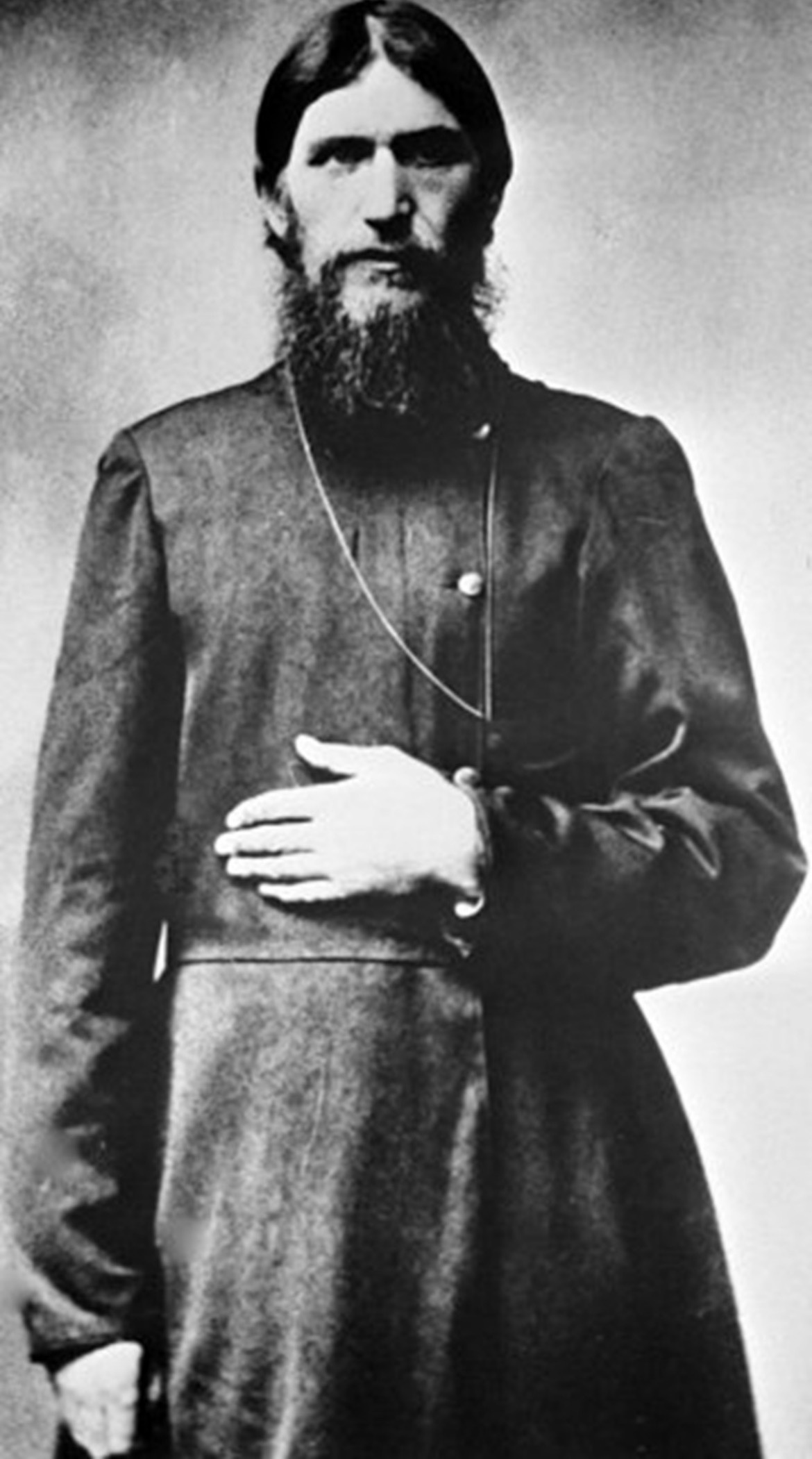
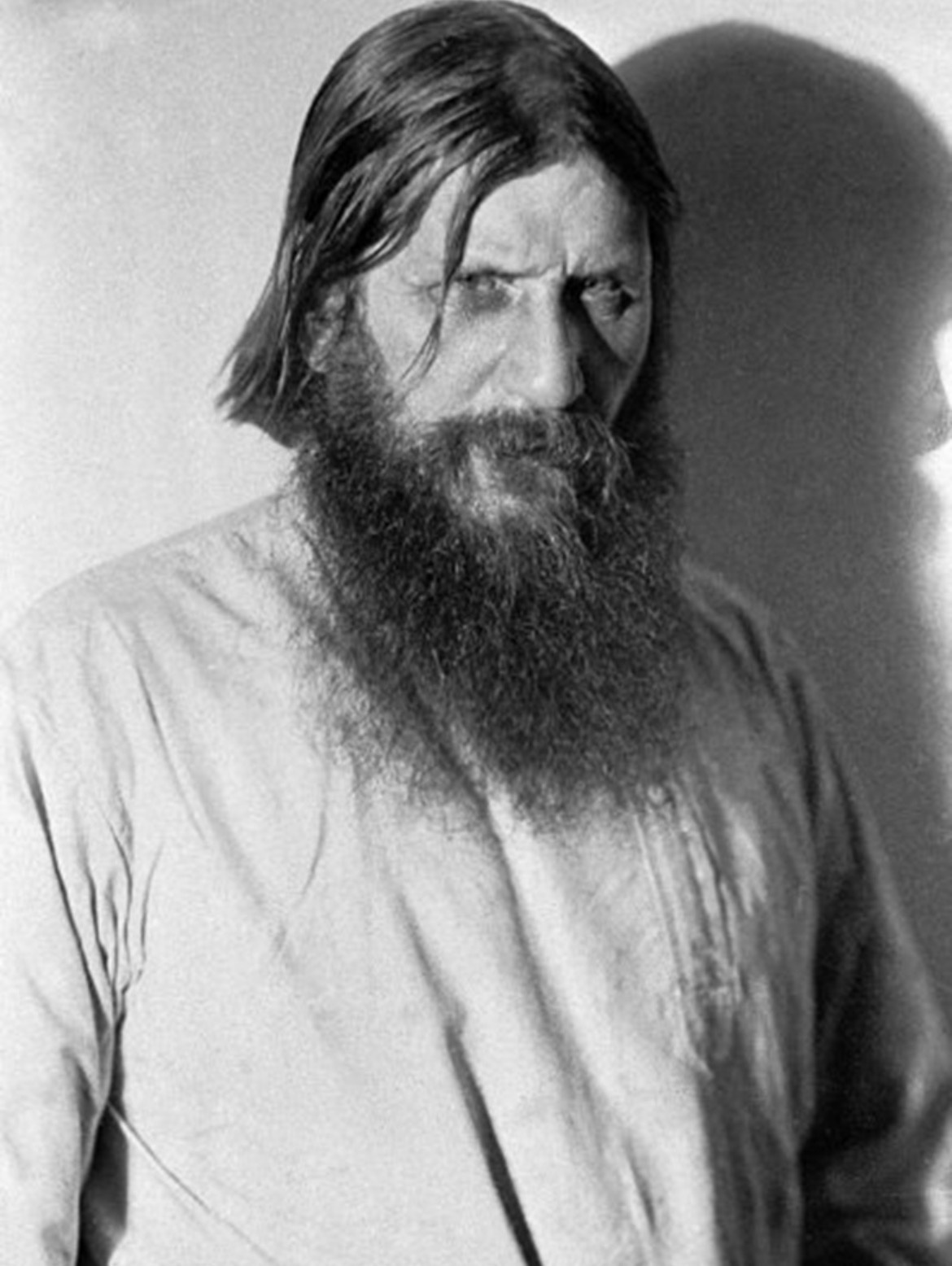
Grigory Efimovich Rasputin (1869–1916) was born into a peasant family in the village of Pokrovskoye in the Tobolsk Governorate. His childhood is shrouded in myth: some contemporaries called him a horse thief, others a "man of God." By the age of 30, having experienced a spiritual transformation, he set out to wander through monasteries, from Mount Athos to Jerusalem. His prayers seemed fervent, his speeches filled with mystical insights.
Entering Tsarskoye Selo
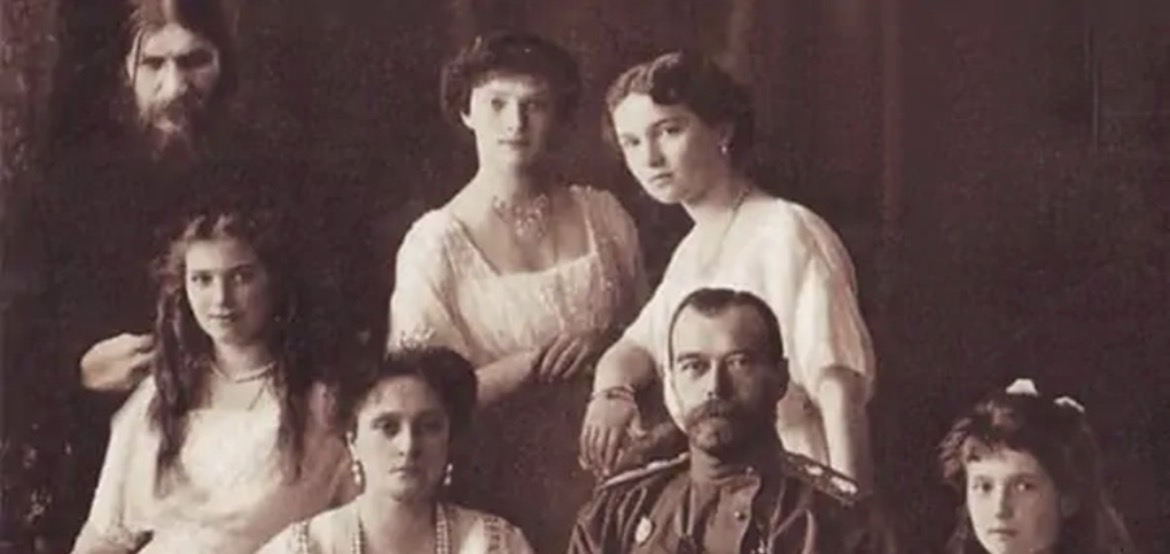
In 1905, Bishop Feofan, rector of the St. Petersburg Theological Academy, introduced the "elder" to the royal family. Nicholas II's diary entry is laconic: "We met a man of God—Gregory from Tobolsk Province."
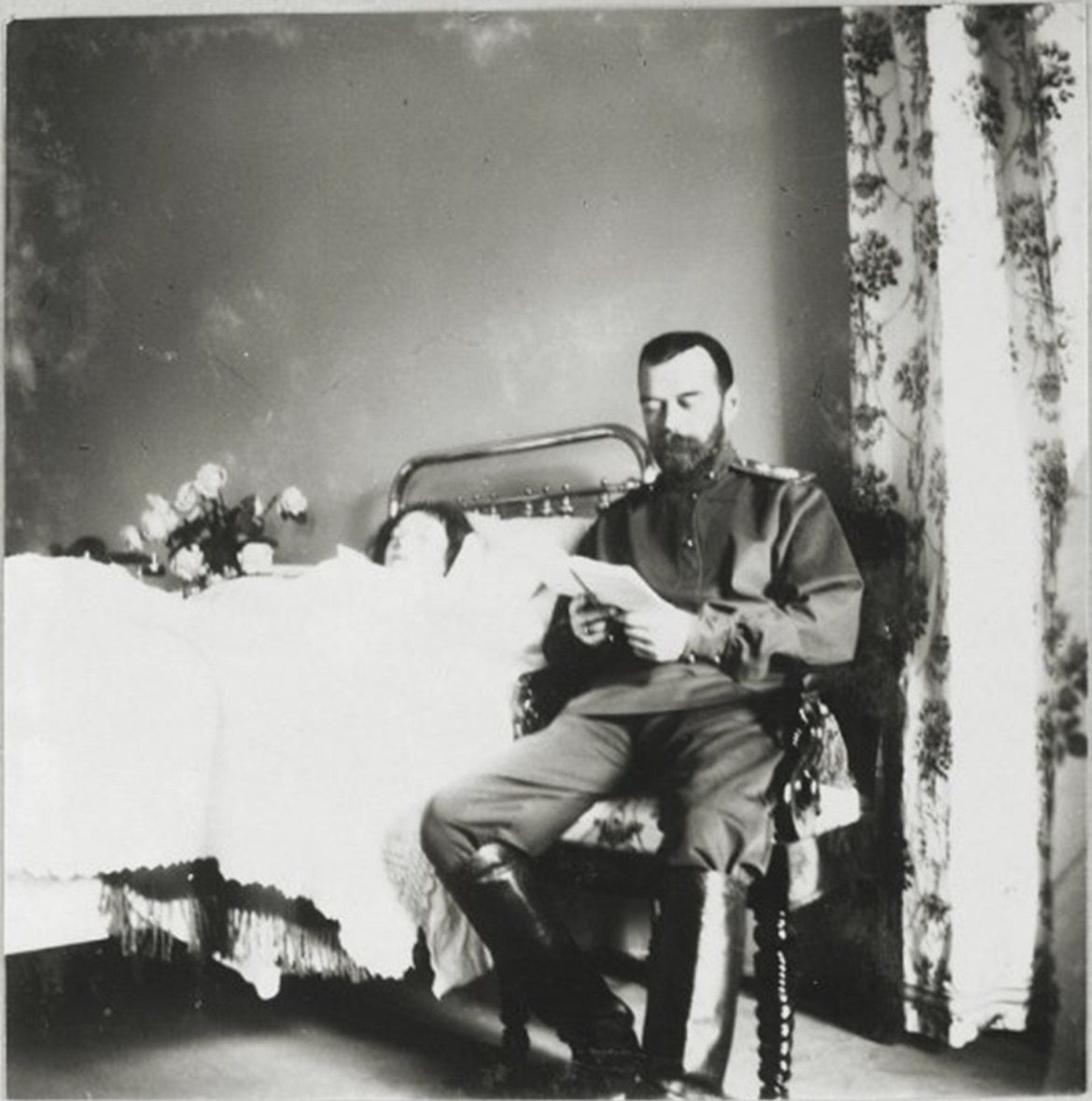
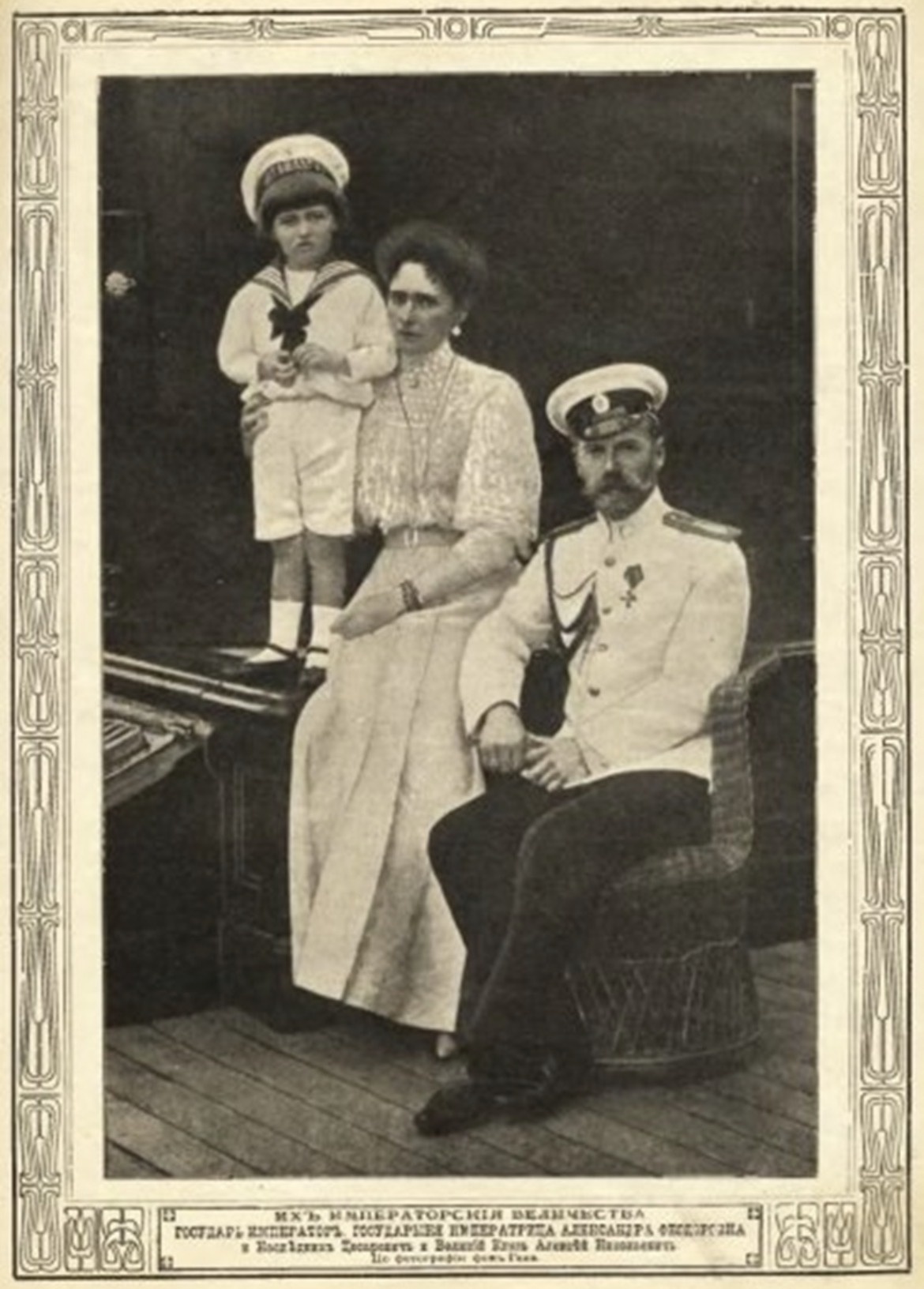
The true reason for this trust was tragedy. Heir Alexei suffered from hemophilia, a hereditary disorder that prevents blood from clotting. Any injury could lead to fatal bleeding.
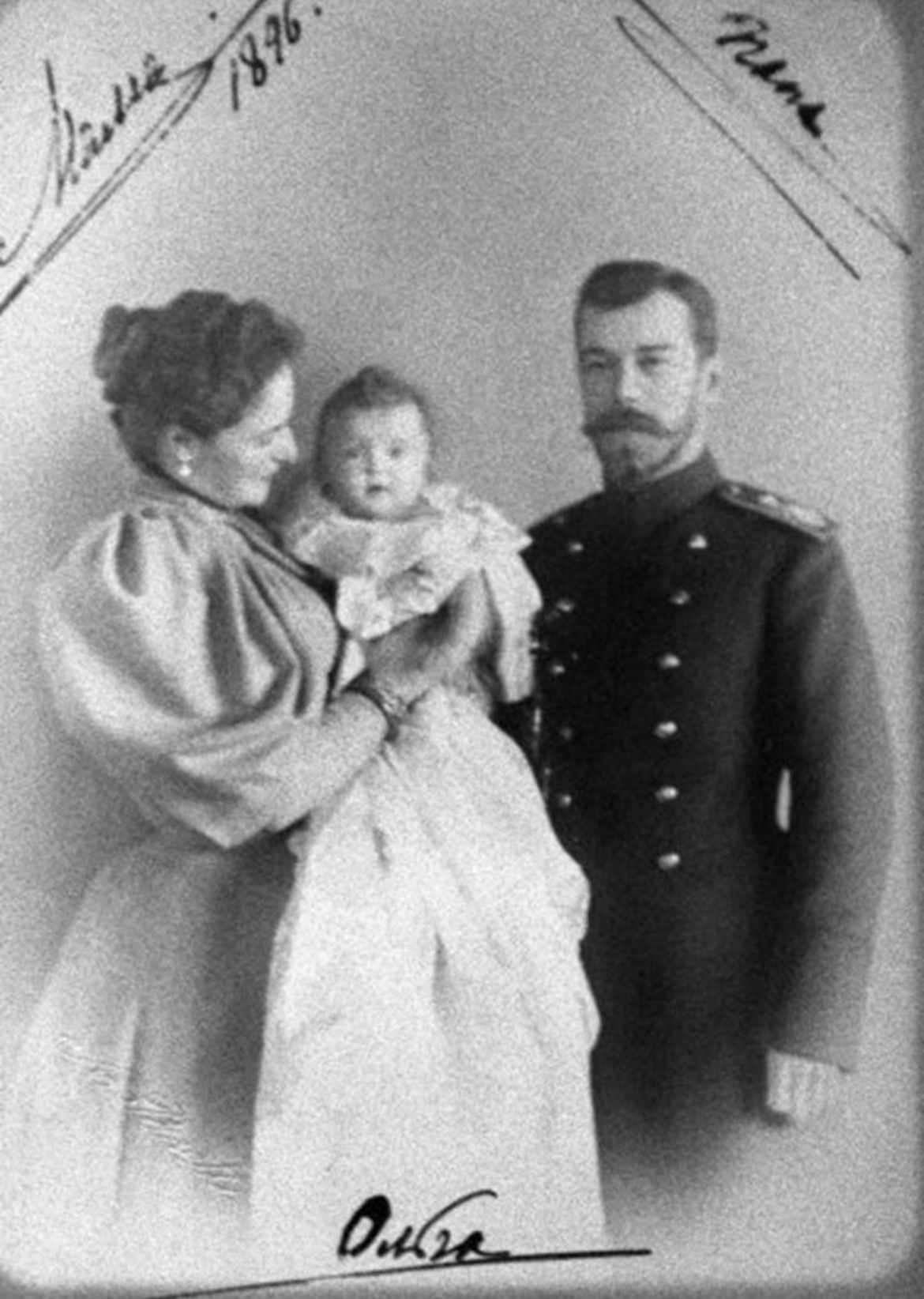
The empress gave birth to four daughters, but was pressed for an heir.
On July 30, 1904, at the height of the Russo-Japanese War, she gave birth to her long-awaited son. However, the boy was terminally ill.
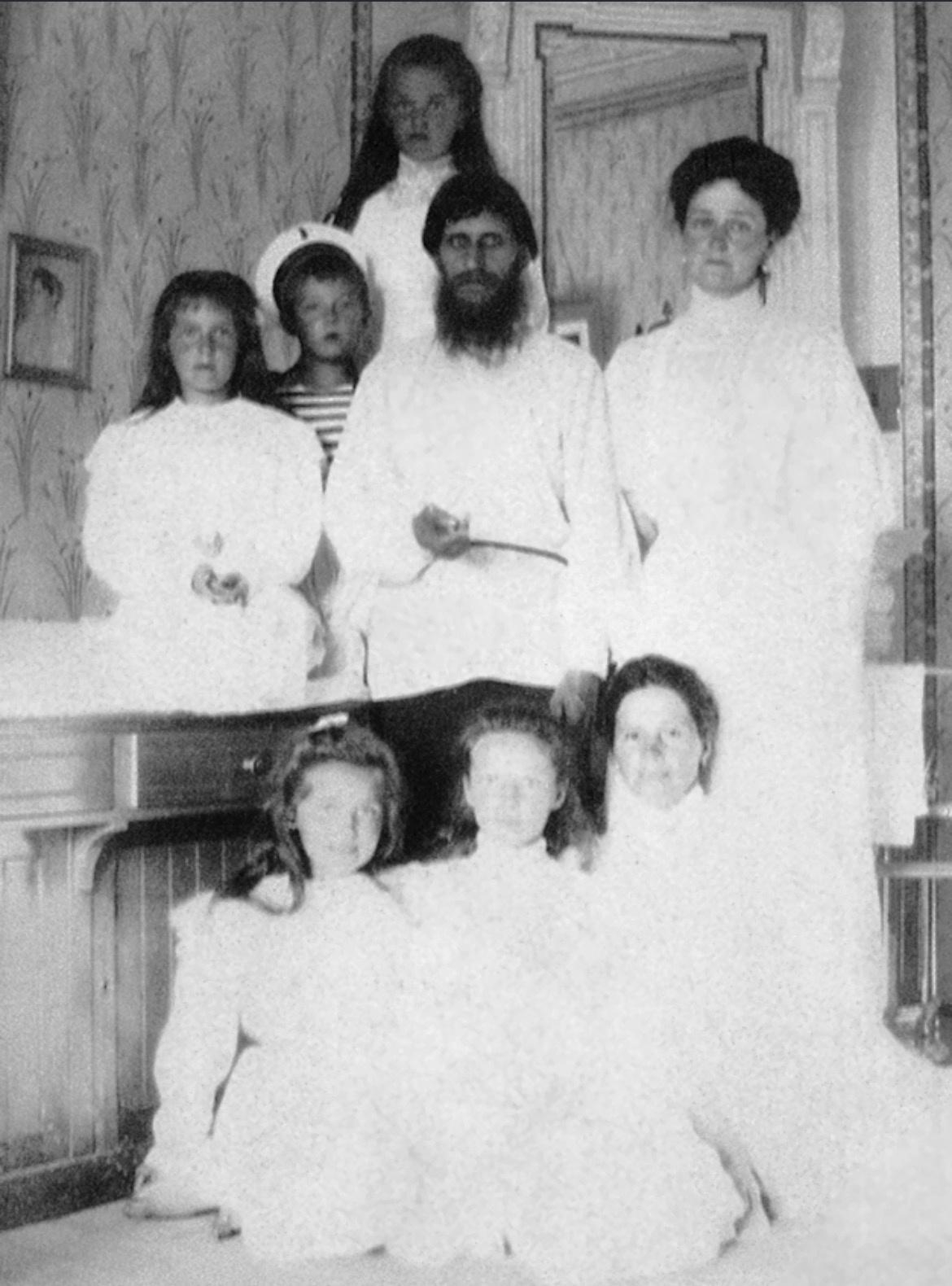
The imperial family withdrew into themselves, their thoughts focused on their sick child. Rasputin repeatedly saved the boy from fatal hemorrhages—either through hypnosis or by calming the panic that was exacerbating the illness.
His ability to stop bleeding made Rasputin indispensable to Alexandra Feodorovna. She saw him as "God's messenger" and her last hope.
"Our Friend": Influence, Myths, and Hatred
Mechanisms of Power
Rasputin held no office, but his word determined the fate of ministers. The Empress wrote to her husband at the front: "Grigory blesses the new appointment..." Historians call 1915–1916 the era of "ministerial reshuffle": in 16 months, four chairmen of the Council of Ministers and six ministers of the interior were replaced.
The influence of the "elder" was explained simply:
Alexandra Feodorovna saw him as a conduit for God's will;
Nicholas II, burdened by his reign, sought support in "popular wisdom."
Fighting the "Dark Force": Harassment, Surveillance, and Church Intrigue
Police Surveillance and Forced Departures
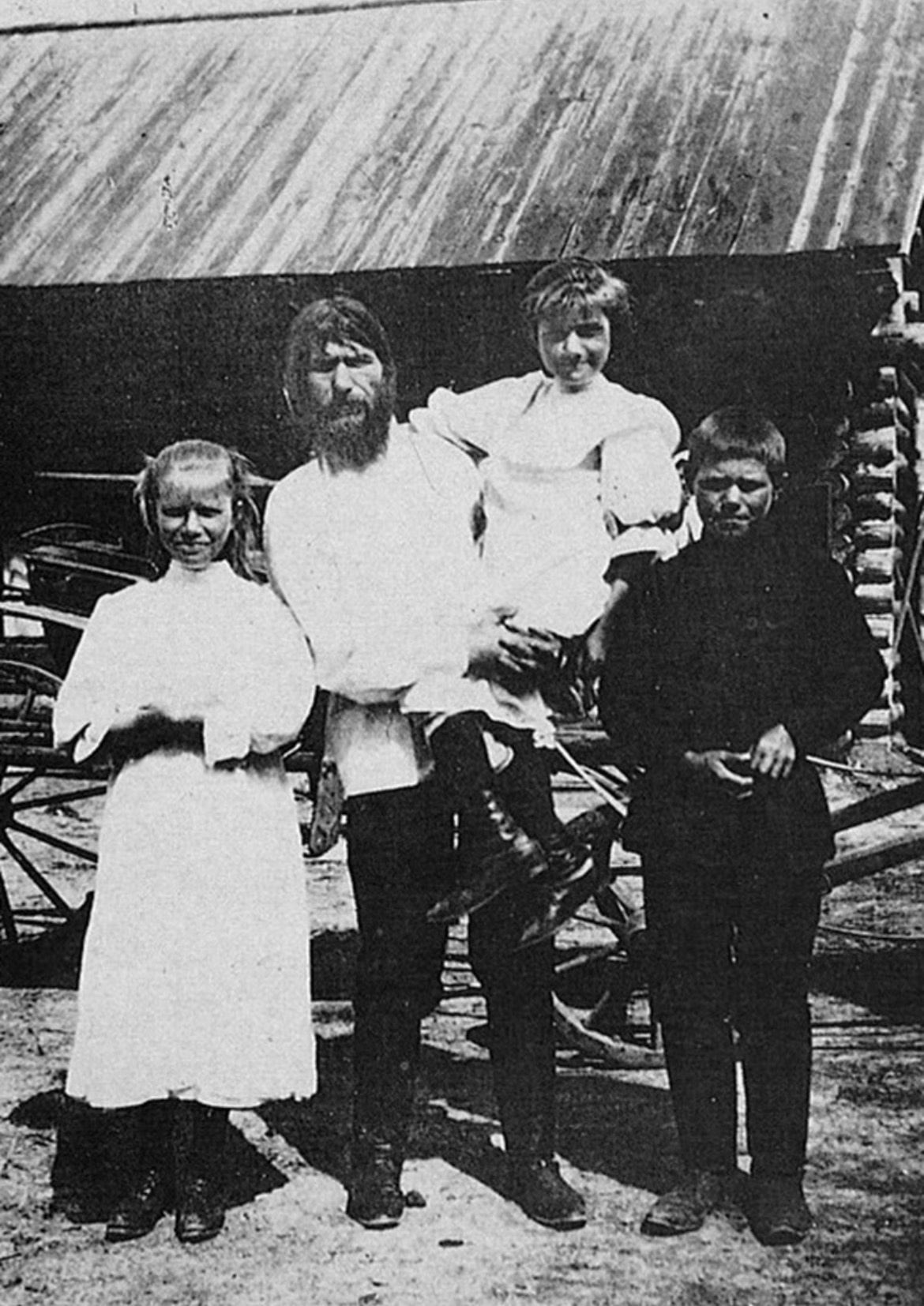
By 1909, the pressure on Rasputin reached its peak: the St. Petersburg police were preparing to expel him from the capital. Anticipating the authorities' decision, he voluntarily left for his native village of Pokrovskoye. However, already in 1910, upon returning to St. Petersburg with his daughters (whom he had enrolled in a Moscow school), he came under increased surveillance.
On the personal orders of Prime Minister P.A. Stolypin, he was placed under surveillance. Agents recorded his contacts, visits to salons, and meetings with high-ranking officials, although they found no evidence of "anti-state activity."
A Schism with His Spiritual Patrons
Archbishop Feofan (Bystrov), who had initially introduced Rasputin to high society, had become his bitterest adversary by 1911. He demanded that the Holy Synod formally protest to Empress Alexandra Feodorovna, calling the "elder's" behavior "scandalous and immoral." He was joined by Metropolitan Anthony (Vadkovsky), who personally reported to Nicholas II about the "destructive influence of a peasant on the authority of the Church and the throne."
Physical Violence: The Incident with Germogen and Iliodor
On December 16, 1911, the conflict escalated into physical violence. Bishop Germogen (Dolganov) and Hieromonk Iliodor (Trufanov) lured Rasputin to the Vasilievsky Island metochion under the pretext of a "spiritual conversation." They were joined by the holy fool Mitya Kozelsky, who had previously had influence at court.
According to Iliodor's memoirs, Kozelsky launched into a hysterical denunciation: "You're living with the Tsarina! You're the Antichrist!" Hermogenes, waving a cross, struck Rasputin several times, shouting, "Repent of your depravity!" A fight ensued, during which Rasputin attempted to escape the trap. The incident became public knowledge, furthering the "elder's" scandalous reputation.
Pilgrimage to Jerusalem as a Tactical Retreat
Following a clash with Church hierarchs, Rasputin voluntarily left St. Petersburg at the end of 1911, making a pilgrimage to Jerusalem. This step was not only spiritual but also political: it helped calm tensions. However, upon his return, the pressure resumed. On January 23, 1912, Interior Minister A.A. Makarov reinstated round-the-clock police surveillance, which continued until Rasputin's murder.
The Second Khlysty Case: A Contract Investigation and Acquittal
In January-February 1912, the Duma officially demanded Rasputin's removal from court. In February 1912, Nicholas II, attempting to defuse tension, ordered the Chief Prosecutor of the Synod, V.K. Sabler, to reopen the Khlysty case and hand over the materials to Duma Chairman M.V. Rodzianko. Archbishop Anthony (Khrapovitsky) publicly stated that Rasputin was participating in sectarian "zealousies."
The investigation was entrusted to the new Bishop of Tobolsk, Alexy (Molchanov). He personally interrogated witnesses in Pokrovskoye, studied the consistory's materials, and held conversations with Rasputin himself. On November 29, 1912, the Tobolsk consistory's verdict was announced: "Grigory Rasputin-Novy is a Christian, spiritually minded and seeking the truth of Christ." All charges were dropped, and the case was closed.
Opponents saw self-interest in this: 11 months later, Alexy was elevated to the rank of archbishop and the post of Exarch of Georgia. However, modern historians emphasize that his career advancement could have been linked to his loyalty to the monarchy during the revolutionary unrest in Georgia.
Politics vs. Truth: The Synod's Double Game
Interestingly, the initiator of the first case against Rasputin, Bishop Anthony (Karzhavin), was "promoted" in 1910: transferred from Tobolsk to Tver and elevated to the rank of archbishop. This appointment was interpreted in two ways: as a reward for fighting the "heretic" or as a way to eliminate an undesirable investigator. Karzhavin himself believed that the Synod, by closing the case, was seeking to please the empress.
A Bloody Assassination Attempt in Siberia
On June 29, 1914, an assassination attempt occurred at the gates of Rasputin's house in Pokrovskoye: former prostitute Khionia Guseva, associated with Hieromonk Iliodor (Trufanov), stabbed him in the stomach with a cleaver, shouting, "I will kill the Antichrist!" The wound was so deep that the first operation was performed at home, then he was transported to a hospital in Tyumen.
He miraculously survived. According to legend, Rasputin attributed the assassination attempt to an attempt to thwart his peacemaking efforts: "If it hadn't been for that villainous woman who slit his intestines, there would never have been a war."
The Decline of the "Old Man": War and Conspiracy
Attitudes to War and Moral Decline
With the outbreak of World War I, Rasputin actively opposed Russia's participation, warning Nicholas II: "You will see the destruction of the people and the end of the dynasty." After ignoring his advice and realizing his loss of influence, he descended into drunken debauchery. The fame of his adventures (real and fictional) became a catalyst for popular anger. The image of the "drunken peasant at the throne" became a symbol of the decay of power.
Smear PR and Reality
Society hated the "Tobolsk peasant." He was accused of drunken orgies, Khlystyism, and an affair with the Tsarina. An investigation by the Provisional Government (1917) found no evidence of debauchery or espionage. But the myths persisted: caricatures depicted Rasputin as a demon possessing the throne. Grand Duchess Elizabeth Feodorovna begged her sister, the Empress: "Let him go! He's ruining the dynasty!"
Assassination Preparations: An Alliance of Aristocrats and Politicians
By December 1916, the conspiracy had matured. Its core consisted of:
Prince Felix Yusupov, an eccentric aristocrat whom Rasputin had once "treated" for homosexual tendencies;
Vladimir Purishkevich, an ultra-right deputy and author of scandalous Duma speeches about "dark forces";
Grand Duke Dmitry Pavlovich, the Tsar's cousin, offended by the ban on marrying the Tsarevna;
British agent Oswald Rayner may have been involved in the conspiracy and feared a separate peace between Russia and Germany. This is confirmed by British archives.
They were joined by physician Stanislav Lazovert (who prepared the potassium cyanide) and Lieutenant Sergei Sukhotin (who may have delivered the fatal shot, but this is not documented).
A Fateful Night in the Yusupov Palace: Chronicle of a Murder
A Scenario of Deception
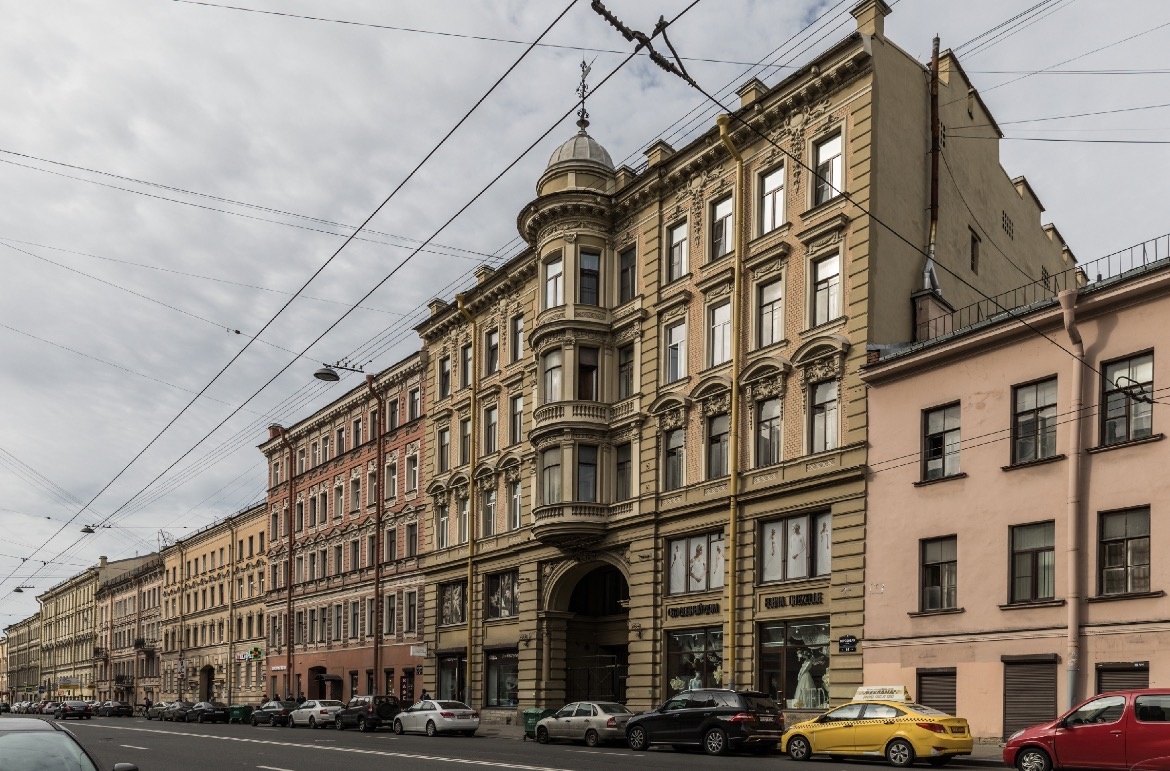
On December 29, 1916, Yusupov lured Rasputin to the palace on the Moika River under the pretext of helping his ailing wife, Irina (who was actually out of town). To make the deception more convincing, they placed her portrait in the drawing room and served tea.
A Failed Poisoning and Shots
In a cellar decorated with a crucifix, cakes and Madeira laced with potassium cyanide were served. The poison had no effect—possibly due to the poor quality or hyperacidity of Rasputin's stomach. Then Yusupov shot him in the back with a revolver. While the conspirators were discussing the details of the funeral, Rasputin came to, ran into the courtyard, and shouted, "Felix! I'll tell the Tsarina everything!" Purishkevich finished him off with three shots, including a finishing shot to the forehead. The body was bound, wrapped in cloth, and thrown from Petrovsky Bridge into the Neva.
Medical Mysteries
The autopsy conducted by Professor D.P. Kosorotov revealed:
The first bullet (in the abdomen) caused profuse bleeding, likely the cause of death;
The second (in the back) was inflicted at close range;
The third (in the forehead) occurred either in agony or after death;
Water was found in the lungs, but death was caused by gunshot wounds before the Neva River hit—Rasputin could not have drowned.
Who fired the shots? Theories
According to the memoirs of Yusupov and Purishkevich, the fatal shots were fired by a deputy;
An autopsy revealed that he died from a bullet to the stomach (possibly fired by Yusupov), followed by a final shot to the forehead—already in his death throes;
Historians suggest the involvement of British agent Oswald Rayner: England feared that Rasputin would persuade the Tsar to make peace with Germany.
Aftermath: The Fall of the "Lightning Rod"
The Royal Family's Reaction and the Murderers' Lender Punishment
The Empress demanded the execution of the conspirators, but Nicholas II limited himself to exiling Dmitry Pavlovich to Persia and banishing Yusupov to his estate. This leniency shocked the monarchists: the Tsar was protecting the murderers of his "friend."
Prophecy and the Fall of the Dynasty
Rasputin warned: "If the boyars kill me, the royal family will not survive two years." On July 17, 1918, the Romanovs were executed by firing squad in Yekaterinburg. His death destroyed the last mystical shield of the throne. As General Wrangel wrote: "Rasputin inspired, the Empress commanded, the Emperor listened... Without him, there would have been no revolution."
The Fate of the Body and Posthumous Desecration
After the February Revolution of 1917, when power passed to the Provisional Government, Rasputin's grave in Tsarskoye Selo was opened on the orders of A.F. Kerensky. Fearing that the burial site of the "elder" would become an object of worship or a symbol of counterrevolution, Kerensky instructed General L.G. Kornilov to organize the complete destruction of the body. A grim odyssey of the remains began: Rasputin's coffin, dug from the ground, stood for several days in a locked freight car on a remote siding, like an ominous cargo awaiting its fate. Then, in utter secrecy on the night of March 11 (March 24, New Style), 1917, the body was delivered to the Polytechnic Institute and burned in the furnace of a steam boiler.
This industrial cremation in the furnace that generated the energy for the machines of the new era became a terribly symbolic ending: the body of the empire's "dark force" vanished in fire and steam, as if foreshadowing the incinerating whirlwind of events to come.
Epilogue: A Shadow Without a Body
Rasputin went down in history as a symbol of a tragic turning point—a man who became a "lightning rod" for popular anger and a harbinger of the collapse of an empire where faith in miracles proved stronger than reason. His murder, overgrown with myths of "invulnerability," became a bloody farce that presaged a great tragedy.
Rasputin's body was cremated, but he remained in memory as a symbol of the decline of an empire where faith in miracles clouded reason. Yusupov, who lived in Paris until 1967, wrote in his memoirs: "I cleansed Russia of the devil's power." However, history has shown that by killing the "devil," the conspirators only hastened the destruction of the Russia they were trying to save. Rasputin's ashes mingled with the smoke of the approaching civil war.