How Nicholas II was structured from Nicholas I
The most difficult thing for lovers and connoisseurs of Russian Imperial history is not to get confused by the emperors, their wives, and their mothers. And it's very easy to get confused: there are three Peters, one Paul, two Catherines, two Maria Feodorovnas, two Alexandras Feodorovnas, another Maria, Natalia, and Elizabeth, who was written as Eavliseta.
The most difficult thing for readers of the "My 19th Century" channel is to write a kind and decent (without using foul language!) comment. For example:
Thank you, it's interesting to read you.
I learned something new, I'd like to read more articles on the topic "x."
or simply and tastefully:
One of the recent comments. A la "There's no better appetizer than sauerkraut. It's not embarrassing to serve, and they'll gobble it up—no pity!"
But we're Russian. Are we Russian? Commenters with Caucasian names immediately write to me:
"How can you write like that in Russian!? Where's the direct word order in a sentence?"
My answer: no! There isn't, and never will be, direct word order in MY Russian language. Because I'm Russian and I've known since childhood that direct word order is:
Mama (subject) washed (predicate) the frame (secondary clause).
And I can also do this:
Outrageous! And he's even writing about Pushkin! Ban! Unfollow! Dislike!
So, unsubscribe from my channel, go to Archivist Kot, and yell there about direct order somewhere and somehow.
Kot has a mustache, paws, a tail, and all the other documents. At worst, Kot will use his claws and fend off Russian language experts with Caucasian surnames.
And I'll give a master class: how to distinguish Nicholas II from Nicholas I.
Free!
This topic, as it turns out, is in demand: commentators are jabbing me about my lack of education.
What's most important to a commentator?
That's right, I found a mistake in the hands of a clueless author. For example: "I saw two extra commas in the first sentence, so I didn't read any further!" This is about a complex sentence with the main clause inside the subordinate clause. Fifth grade in a Soviet school + 8 (or 9).
Or: "Ha-ha! A physicist and Pushkin scholar! I didn't read any further!"
Under this article, which mentions Nathan Eidelman's friend and classmate, physicist Vladimir Fridkin, who became a Pushkin scholar "out of friendship":
The text contains photos of two popular books by V. Fridkin, but the commenter couldn't care less:
But what if there's no mistake? What's a poor, smart commentator to do?
That's right! You need to invent one! And then protest: "There are so many of you bloggers out there!"
Here's a comment under the article about the fired governess:
Sixteen people agreed with Svetlana! Seriously, why is 1836 mentioned in an article about Nicholas I? Ugh, author!
Here's a link to the article itself:
https://ok.ru/dzen/article/Zh2Dx9PlrQF0h1Ij
Here's a comment under the article about the only major scandal in the life of the wife of Elizabeth II's youngest son:
Dislike - mine! I wanted to ban it, but I left it for a screenshot.
The article was published on Prince Edward's birthday, so I wished him, a descendant of Nicholas I, a happy birthday.
So what? It's easy for me, and the prince is pleased. I've already analyzed why the current Windsors (née Windsor) are descendants of Emperor Nicholas I.
But a Chukchi isn't a reader; he's a commentator (using direct word order in sentences and uncodified vocabulary).
I understand that the fundamental question remains: how can you tell Nicholas II from Nicholas I?
Step-by-step instructions. Write it down, or you'll forget.
Point one and most important. Before Nicholas II, Nicholas I was on the throne.
Can you imagine? Both were Russian emperors, both married, with children, and they're all long gone! If you don't understand, skip to point 3.
Point two. Visual perception.
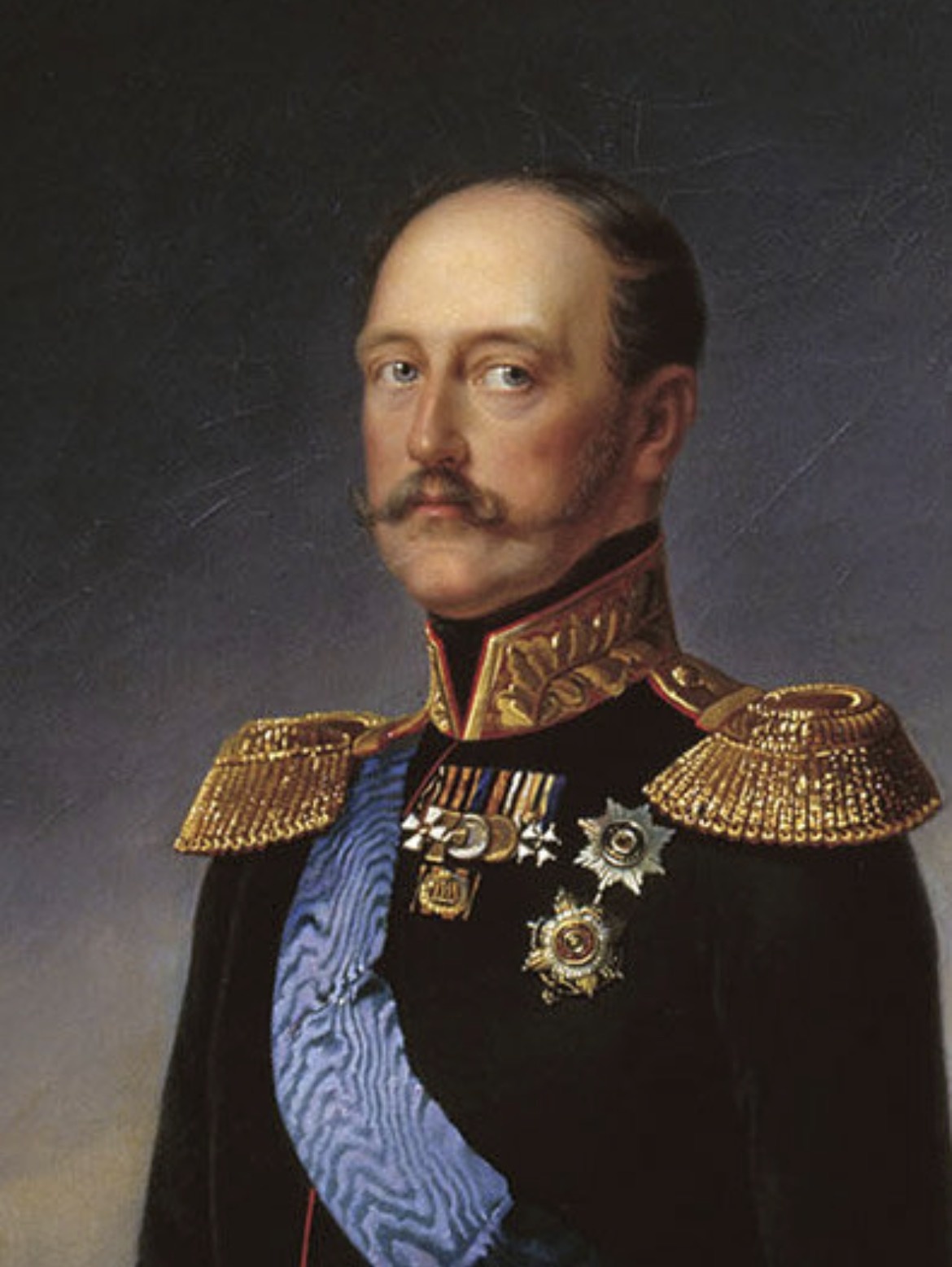
Nicholas I was a tall (almost 2 meters) handsome man.
Emperor of Russia Nicholas I
In his youth and in his mature years, he was considered one of the most handsome monarchs in Europe. Ladies fell in love with him not because of the crown, but because they couldn't help themselves.
"Beauty is a terrible force!"
Nicholas II was short and wore not only a mustache but also a beard.
The tallest was Grand Duke Nikolai Nikolaevich, uncle of Tsar Nicholas II and grandson of Nicholas I.
One of the reasons for this hair growth is bad teeth and gums.
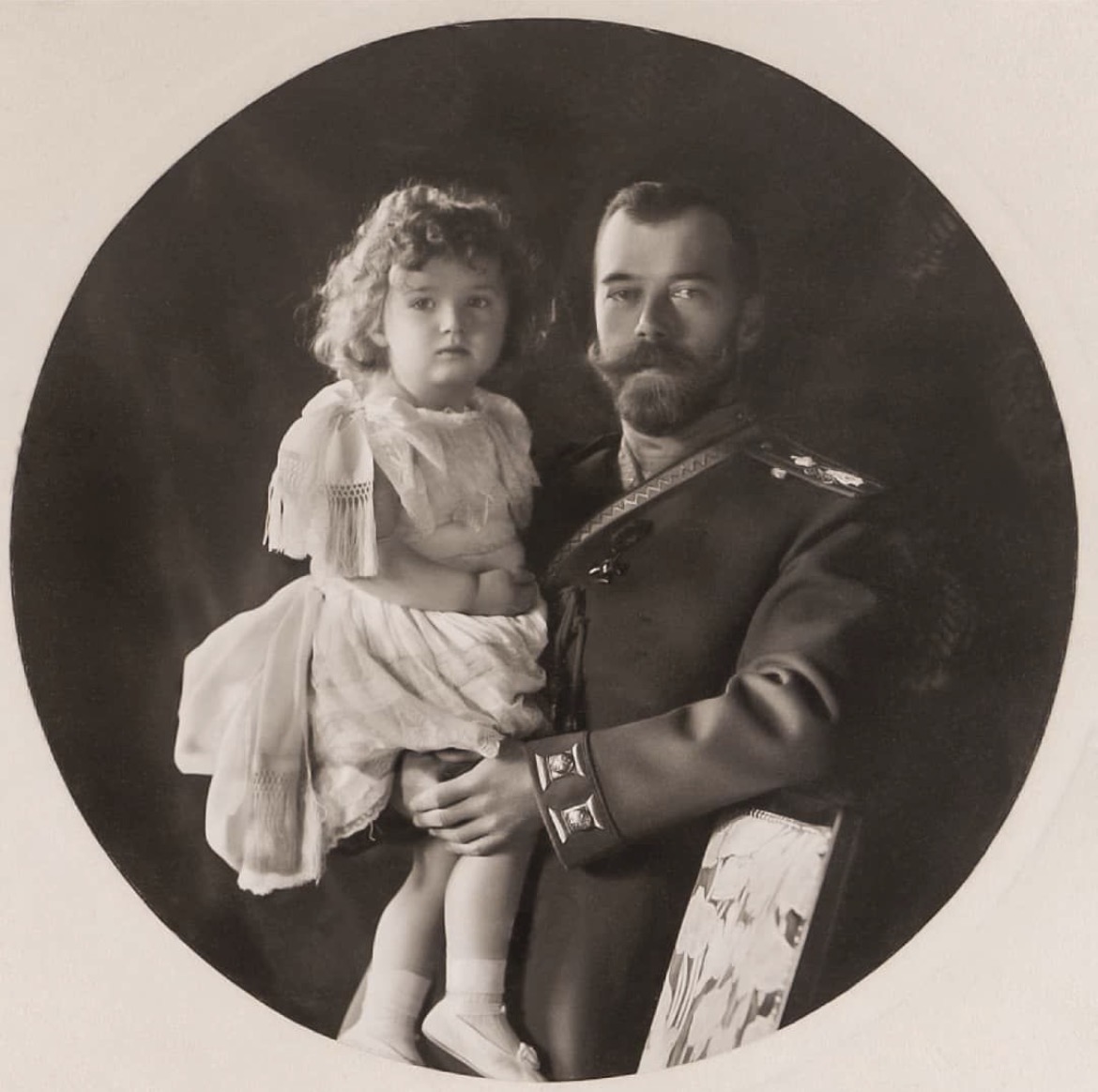
Nicholas II with his only son, Alexei.
And I've never heard of a woman falling in love with Nicholas II. Well, except for his wife.
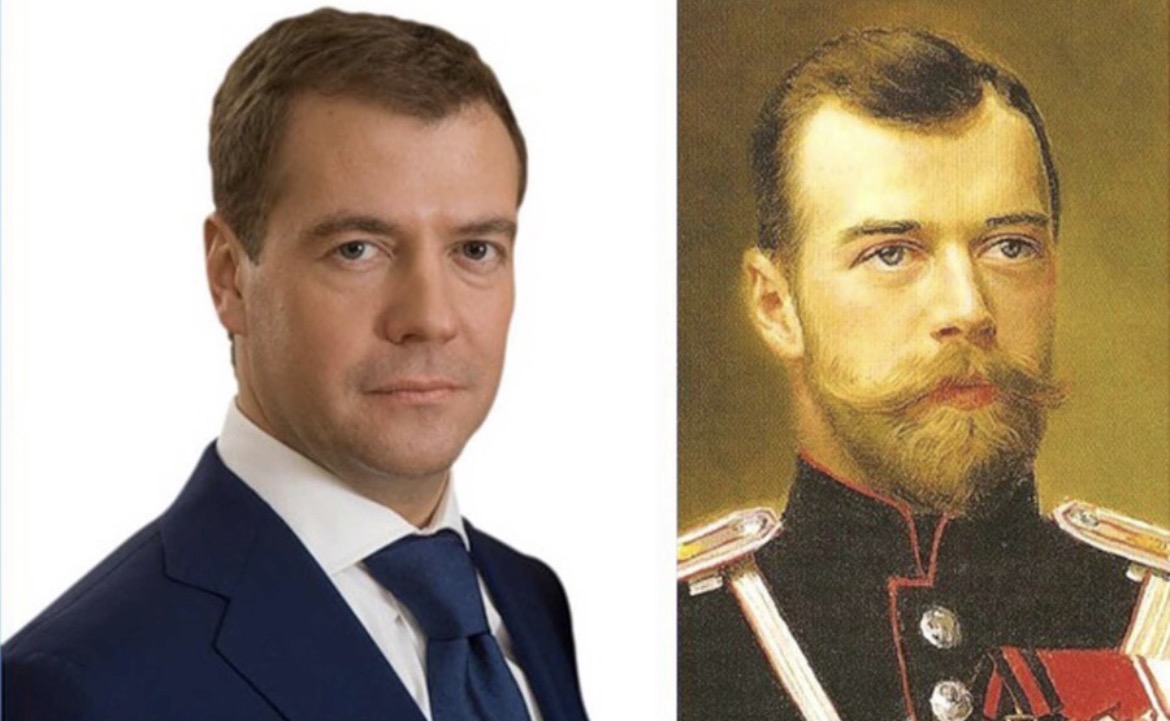
And yes, number two resembles Medvedev.
It's not Medvedev who resembles the Tsar, but the Tsar who resembles the President-Prime Minister! Remember this, it's important when accusing a blogger of ignorance and ignorance.
Point three. Who is who?
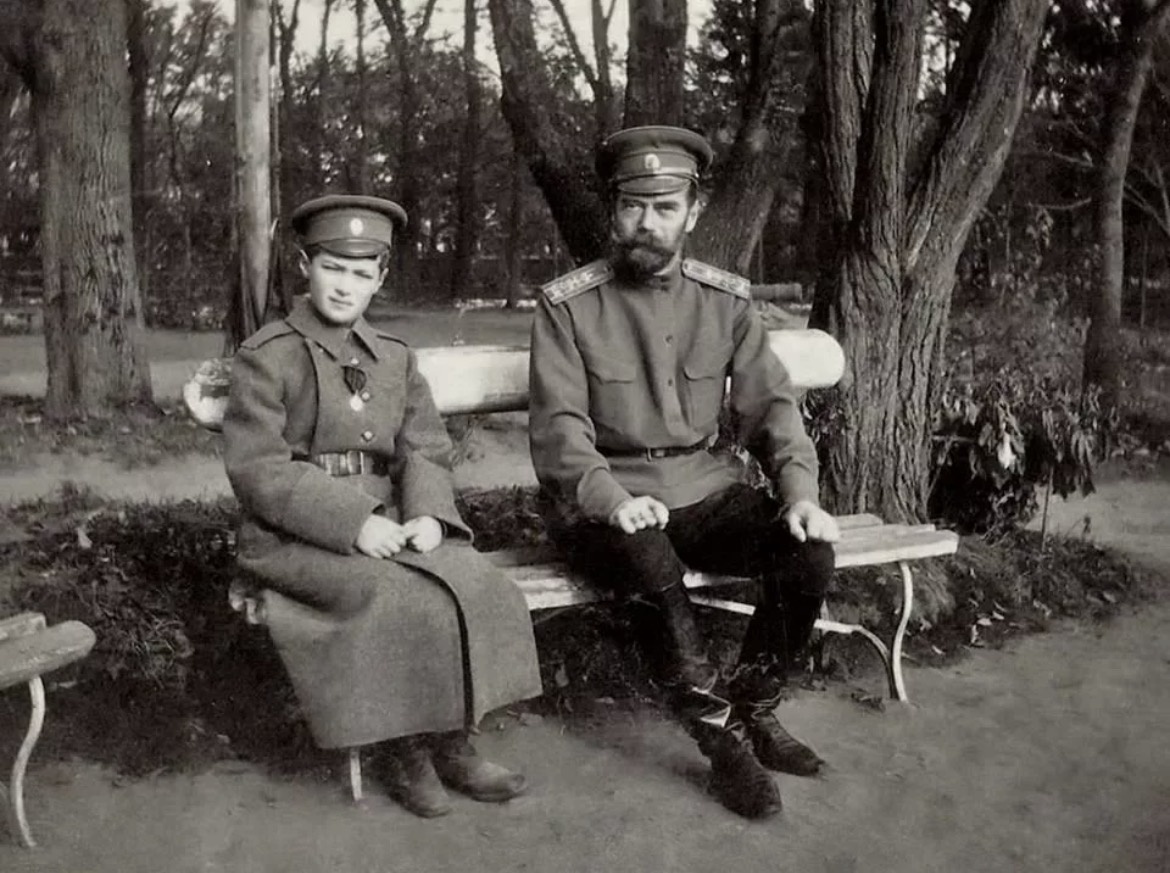
Nicholas I fathered Alexander II, Alexander II fathered Alexander III, and Alexander III named his eldest son Nicholas. This Nicholas named his only son Alexei. Specifically, to break this confusion with names.
Nicholas II with his son Alexei.
So, you get the idea, right? Evil Nicholas I confused you all, and kind Nicholas II wanted to clear it up, but didn't have time. Confused? Proceed to point 4.
Point four. "It's all about the mother!" (c) Harry Potter
Both of their mothers were Maria Feodorovna.
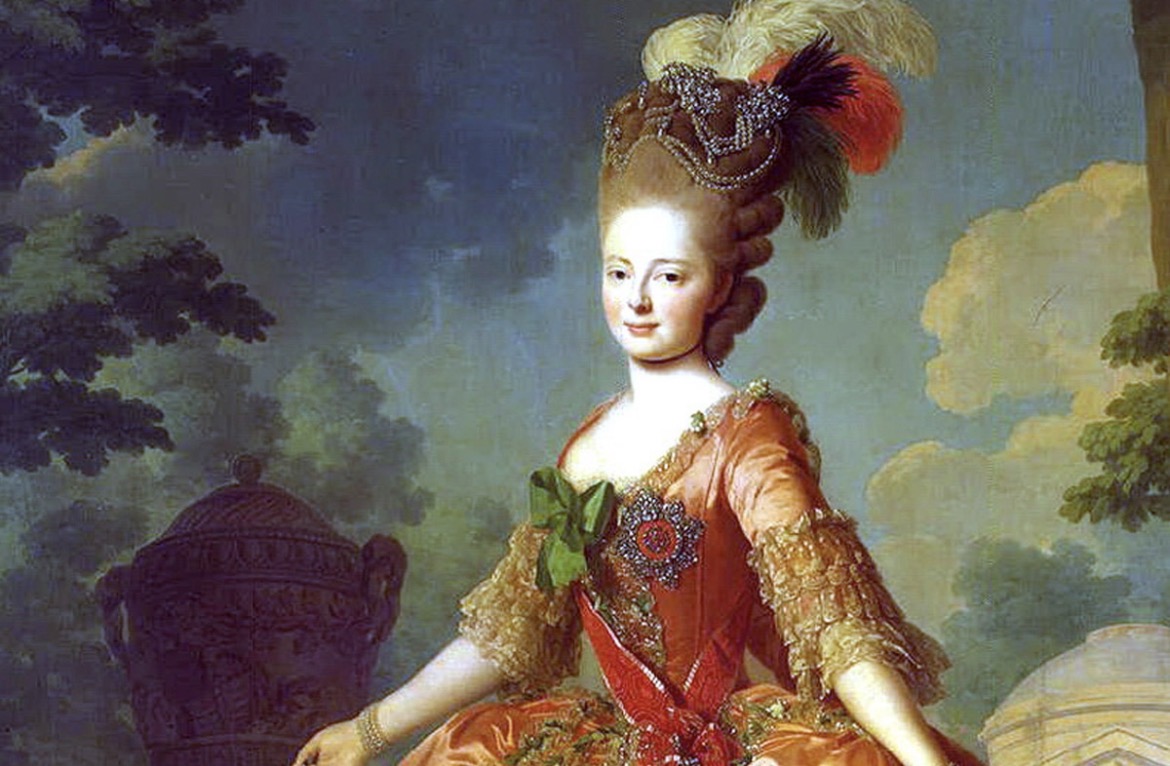
The mother of Nicholas I was born a Princess of Württemberg.
Empress Maria Feodorovna, wife of Emperor Paul I, mother of Emperors Alexander I and Nicholas I
In her youth, she was very pretty. And in her youth, there was literally a line of suitors for this princess from a poor German royal family.
The Russian Empire even paid off the prince to whom the future empress was engaged. The heir so desperately wanted this particular princess as a wife: 👇👇👇
https://ok.ru/dzen/article/YNDYclmKpwvUt9M6
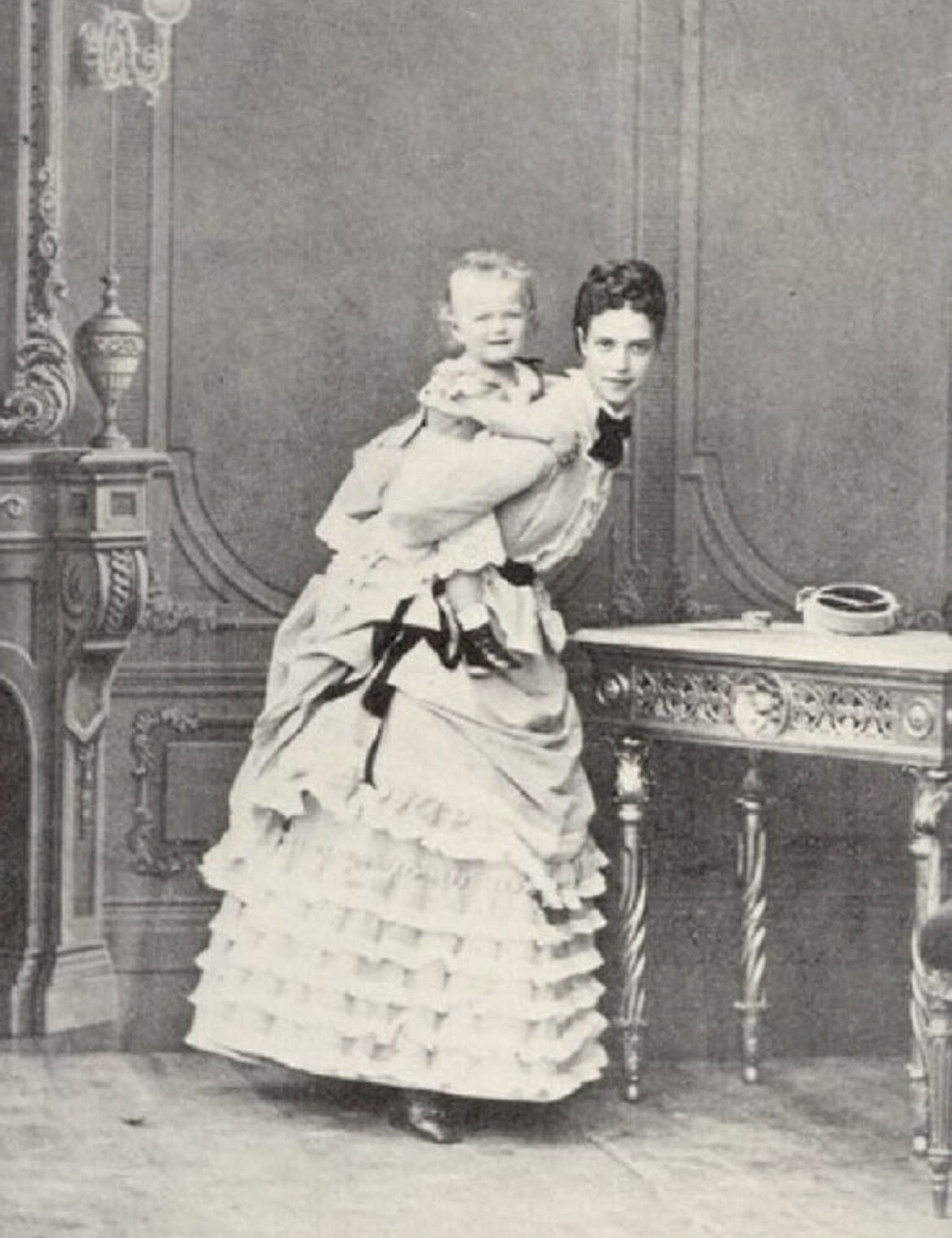
The mother of Nicholas II was born a Princess of Denmark. Maria is one of her names. At home, she was called Dagmar, and her pet name was Minnie.
The future Empress Maria Feodorovna carries the future Emperor Nicholas II on her back.
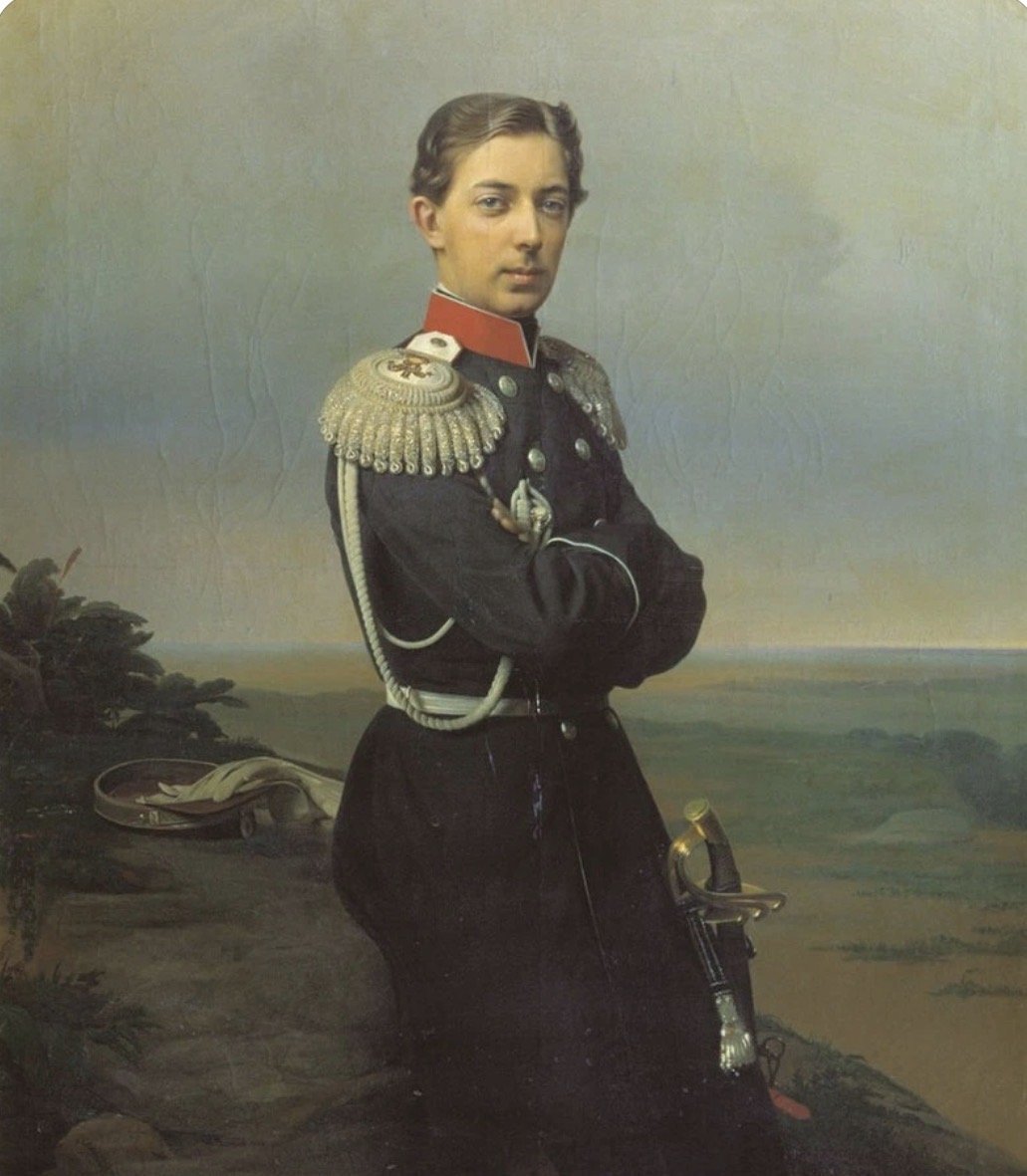
Minnie was also supposed to marry another prince. Here's his portrait:
https://dzen.ru/b/ZEeT9VubX1khh-a2
His name was Nicholas. And he was supposed to ascend the throne of the Russian Empire with the number 2, but he went to his forefathers.
Seems clear, right?
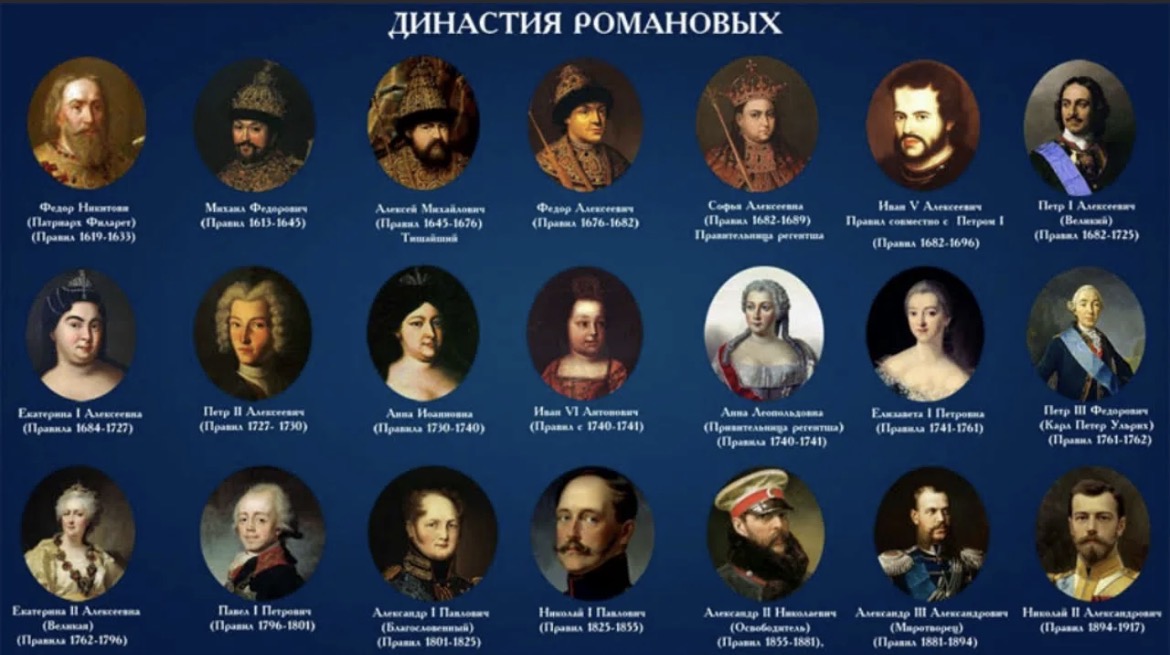
The following sequence was intended: Scroll down, the portrait gallery is below. 👇👇👇
Nicholas I
And it turned out like this: 👇👇👇
Nicholas I
Insert. Less than five hours after publication. A comment from a passerby with the nickname Gennady:
Another smart guy found a "mistake." He can't tell a portrait from a photograph, but it's still the same old story...
HAVE YOU TRIED reading the article before pointing out the author's mistakes?
Oh, yes, they love to make up all sorts of stories about Maria Feodorovna. She had plastic surgery:👇👇👇
https://ok.ru/dzen/article/ZxFalArxsxkRhFO-
She got married a second time:👇👇👇
https://ok.ru/dzen/article/ZxP1RX0EAl_38ubK
Point five. Nicholas II is the great-grandson of Nicholas I.
Full stop!
Let's return to point 4. If you ask, "Who were the Romanovs most often related to?", 99% will answer, "With Hesse-Darmstadt!"
Only readers of my channel know for sure: the Romanovs most often married members of the Württemberg royal family.
https://ok.ru/dzen/article/YVOR5tmN8XiNDZh-
Although... you can count for yourself how many times the Romanovs intermarried with the Danish royal family.
Point six. Wife – Alexandra Feodorovna.
Both Nicholas I emperors married for love. Both emperors developed feelings for their future spouses in their teens, and both carried them throughout their lives.
https://ok.ru/dzen/article/YVygVEJbNXtNZlw1
The difference is very simple: doctors forbade Nicholas I's wife from having children when she was 38 years old.
In the autumn of 1836 (when Pushkin received the anonymous libel, and friends tried to reconcile him with Dantes), Empress Alexandra Feodorovna lost her unborn child. It was her last pregnancy.
The Empress, about whom Pushkin wrote: "I love the Tsarina terribly, despite the fact that she is already 35, even 36." Pushkin disliked Nicholas II's wife. I don't even know why.
Seven of her children survived to adulthood. One child departed for a better world immediately after birth. And she was unable to carry several of her children to term.
That's why she looked withered in old age.
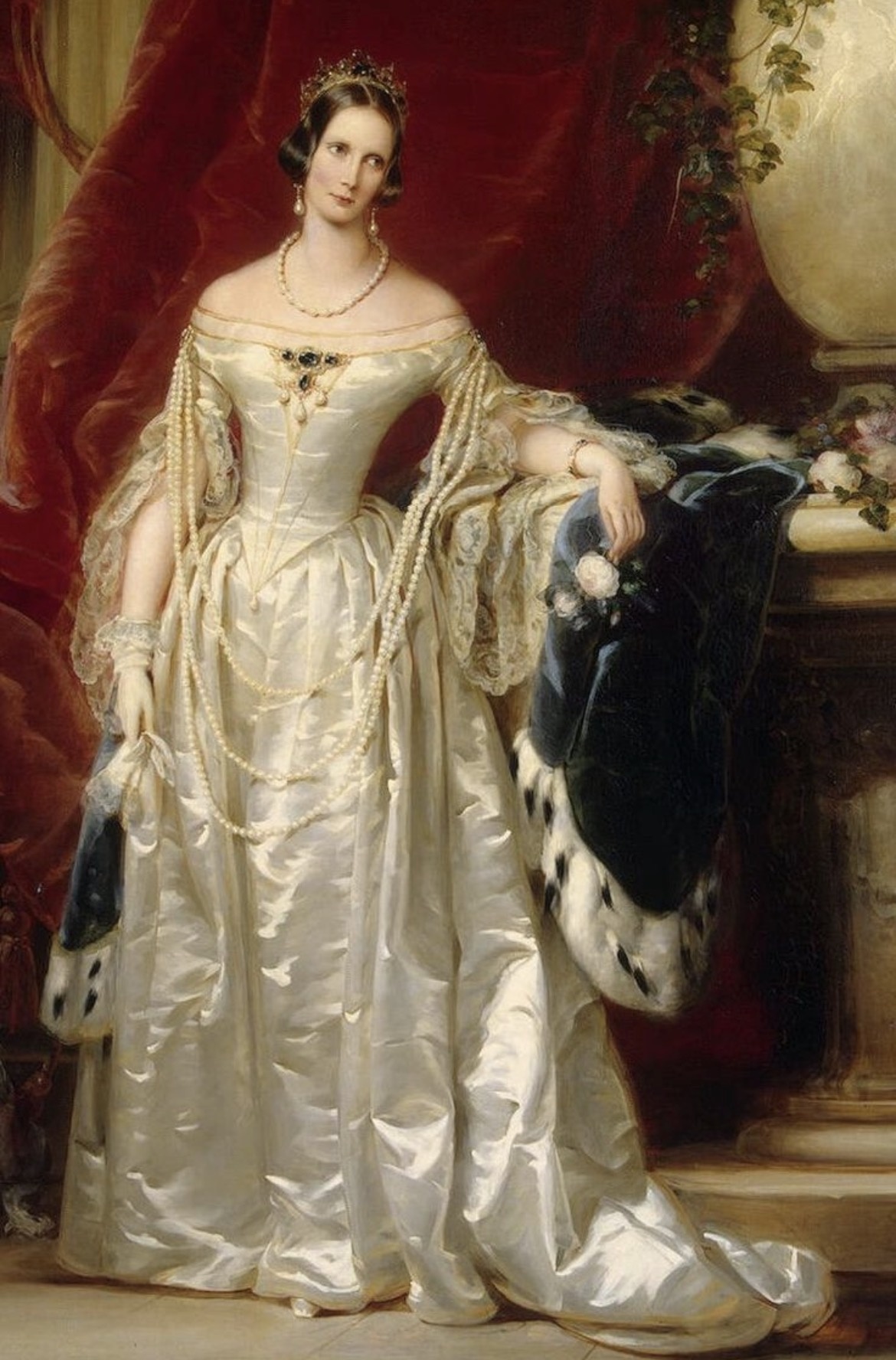
Portrait of Empress Alexandra Feodorovna, wife of Nicholas I and great-grandmother of Nicholas II
What famous beauties looked like in the "autumn of life" is a separate article.
https://ok.ru/dzen/article/ZkUZcAAPkQUNOcsO
Nicholas II and his wife first had four daughters. Then the royal couple, along with their Serbian counterparts, amused all of Europe with a false pregnancy: 👇👇👇
https://ok.ru/dzen/article/ZpSzC6xP1jrbiJFo
And then Tsarevich Alexei was born.
How can you tell Nicholas II from Nicholas I?
The former had four healthy military sons who married princesses and fathered sons, and then had grandchildren and great-grandchildren.
So if Nicholas II, whose son suffered from hemophilia, had decided to pass the throne to his DAUGHTER, it would have been very displeasing to the other Romanovs, who were just as much descendants of Nicholas I as Nicholas II. That's right, another note to the article:
https://ok.ru/dzen/article/Z6zxZS30o3VY6WZU
How can you distinguish #2 from #1? All Romanovs after Nicholas I are descendants of this emperor (number 1).
Nicholas II had children, but no grandchildren.
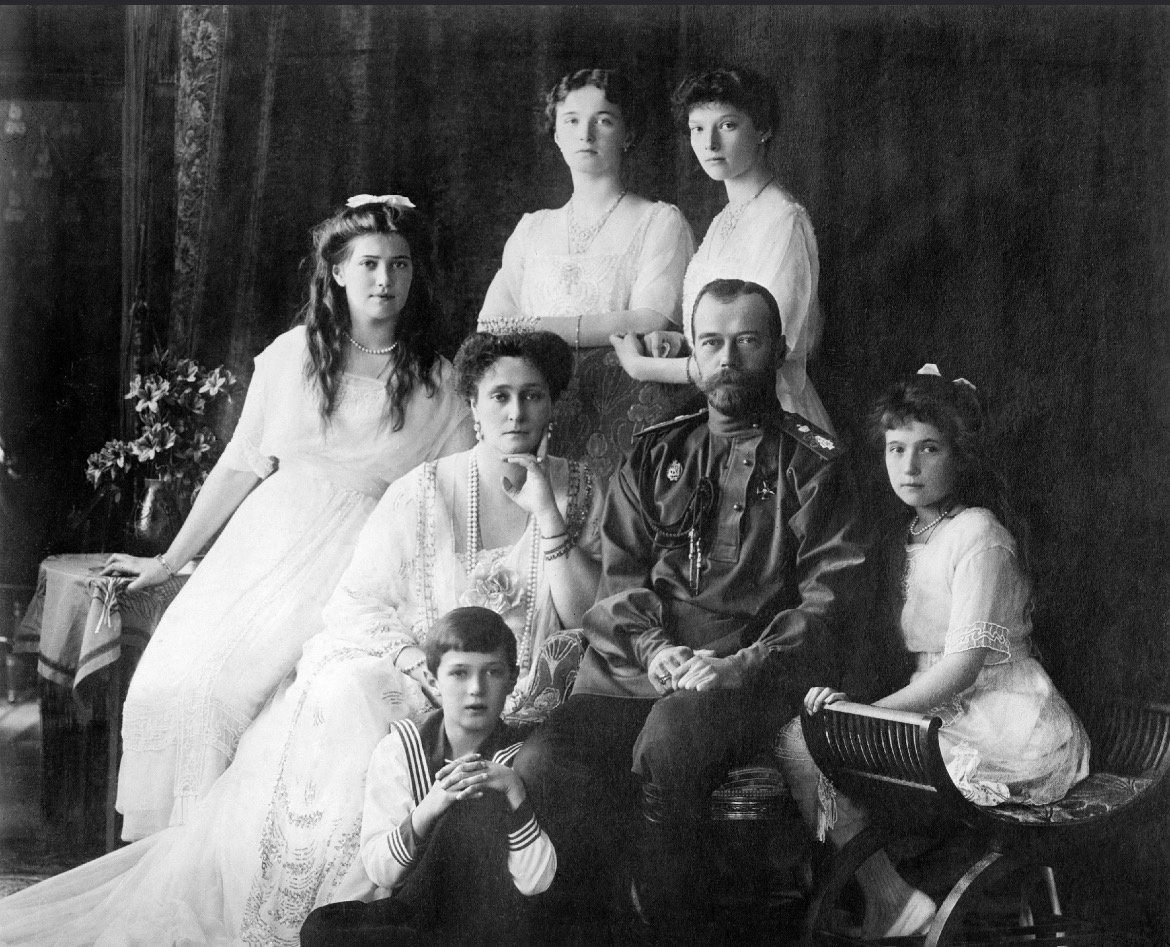
The Family of Nicholas II
Point Seven. Favorites
Nicholas I had favorites, but only when doctors forbade Empress Alexandra Feodorovna from giving birth. There were either "breaks" after difficult labors, or no children at all (after the autumn of 1836).
The Tsar left an inheritance to his longtime mistress:
https://ok.ru/dzen/article/YN2UAyCxAh5PwAOe
Nicholas I's wife was very sensitive to his lovers:
https://ok.ru/dzen/article/Xtv6yMZ_4DVa5w56
Nicholas II had Matilda, God forgive me, Kshesinskaya:
And after the wedding, Tsar Nicholas II only had legitimate children. And yes, the wedding date – well, there are no words:
https://ok.ru/dzen/article/Zx_5QUVdfU5DBpYC
In the mid-19th century, rubber was invented, creating a reliable way to control the number of children in a family. The necessary product was purchased with Empress Alexandra Feodorovna's money from pharmacies, as Doctor of Historical Sciences Igor Zimin wrote about in his expensive books.
Let's remember and distinguish:
Nicholas I protected his wife by living with a woman who truly loved him.
Nicholas II skimped on rubber products, but bought his wife and mother Fabergé pieces.
Well, enough...
Or else I'll start explaining to you who the Decembrists were and how their "prowl" through the capital on December 14, 1825, differed from their "prowl" on January 9, 1905.
How World War Zero differs from World War I. How to distinguish Pushkin from Mayakovsky.
How does the Golden Age of Russian poetry differ from the Silver Age? And which is more valuable at auctions?
Continuing with the history crash course: the answer to the question of how the names and patronymics of the wives of the Grand Dukes were chosen:
https://ok.ru/dzen/article/aC9xfQ8A9l3_zc5V
By the way, Mayakovsky:
https://ok.ru/dzen/article/ZqvW9nNvQTDoTTGO
Be careful when throwing out old stuff at your dachas in the summer! Oh, no! Throw it out! Mayakovsky doesn't have a straight word order in his poems either! And he didn't save paper; he wrote in some kind of ladder-like style! To hell with him!
https://ok.ru/dzen/article/aCEfYeGj0wMymMVS
P.S. I forgot to ask you at the beginning of the article: can you tell the difference between Roman and Arabic numerals?