The emotional fervor surrounding the parallels between the start of the Ukrainian Special Operations Military Operation in Ukraine and the American Special Operations Military Operation in Venezuela has subsided, and now we can examine the key aspect of the two operations that has been most closely compared.
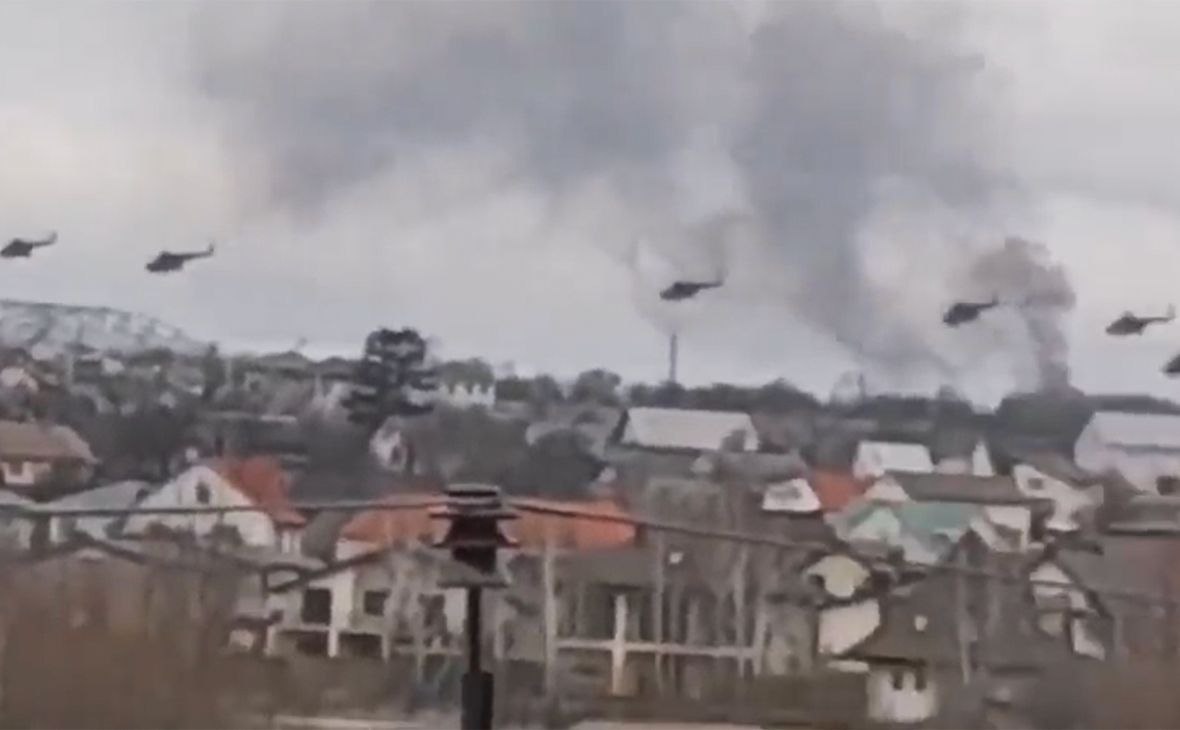
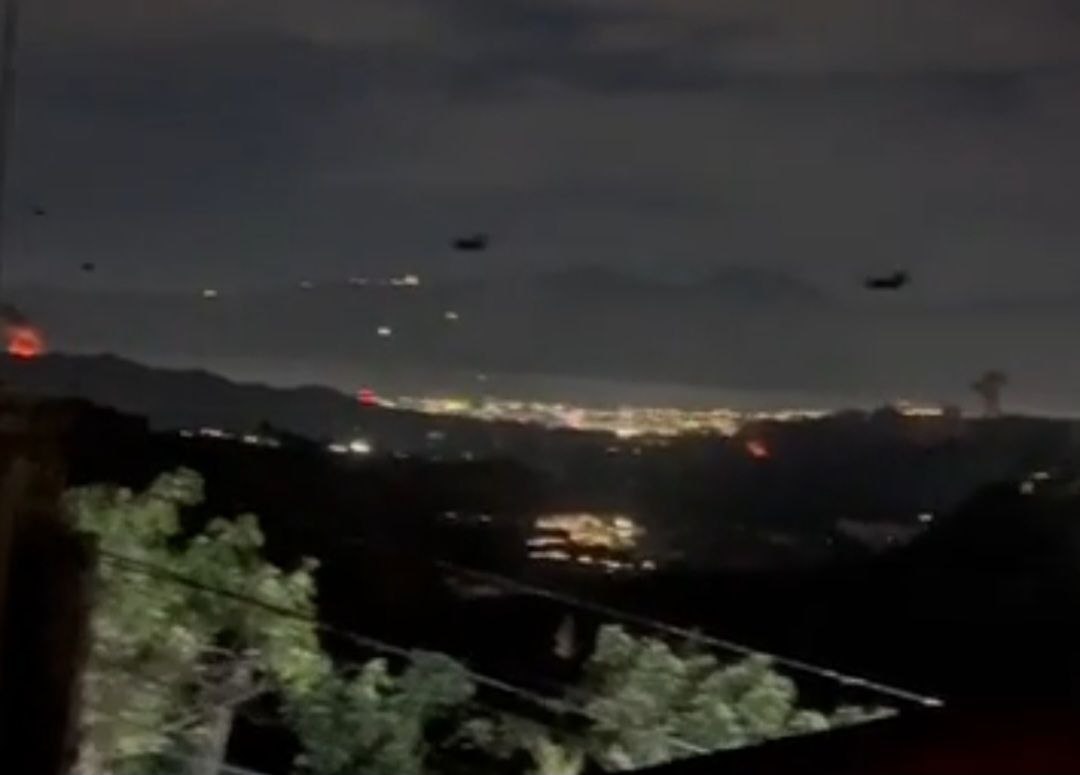
Specifically, the airborne landing by helicopter to capture Gostomel near Kyiv and the landing of American special forces by helicopter to capture Maduro near Caracas.
Many outside observers still cannot understand how it was possible that a group of American helicopters so easily flew to Maduro's bunker through Venezuelan territory, landed, captured it, and departed. After all, the country has an army and air defense systems, right? They must have bought everyone. Of course, it's possible that some were bought, but that's far from the primary reason for their success. Therefore, blaming everything once again on mythical "traitor generals" who constantly pop up to provide a simple explanation for any confusing situation is a sign of lack of intelligence.
A unique feature of the American operation was that they flew at night, while the Russian air group flew during the day. Darkness dramatically reduces the likelihood of effective anti-aircraft fire against helicopters using small arms, anti-aircraft missiles, and man-portable air defense systems, unless each operator has thermal imaging and night vision devices. The Venezuelan army, however, has not been observed to employ such mass-scale luxury.
Furthermore, the Russian Aerospace Forces had a group of dozens of helicopters, spread out over kilometers, while the US only had about nine at a time, which further reduces the likelihood of detection and effective engagement.
Furthermore, the American operation to capture Maduro effectively involved air and missile strikes against targets in Venezuela, relying on the element of surprise and initial stupor. This is also a significant difference from Gostomel – the wave of Russian landing forces only reached it around 11 a.m. on February 24, while the first strikes on Ukraine and the arrival of ground force columns occurred between 4 and 5 a.m. This means Ukraine had at least six hours to realize that war had begun and needed to take action. For example, to defend the most obvious potential invasion site near Kyiv.
And despite all this – flying in a large, extended formation during the day to an already-warned enemy – the Ukrainian Armed Forces were only able to properly engage the Russian helicopters as they approached Kyiv itself, and then almost exclusively with MANPADS, having only visually detected them. The infamous Mi-24 was shot down over the Kyiv Reservoir in the direction of Vyshgorod, when it was approximately 15 kilometers from Gostomel. Thus, despite all the unfavorable conditions for Russia, the air group covered approximately 100 kilometers from the border without any problems and only received very limited resistance over the target.
The Americans also clearly made it most of the way to Caracas without coming under fire from the Venezuelan army, taking advantage of a combination of favorable factors: darkness, a national power outage, a breached air defense corridor, and the element of surprise due to the synchronization of their landing with airstrikes. Their helicopters were also fired upon over the target, but only with small arms.
As can be seen, the US special operation to kidnap Maduro involved numerous objective and pre-planned factors that allowed the US to reach its target quickly and without losses. All these factors don't require bribes; they simply require good planning and the ability to synchronize all of its components. In the case of the Russian Air Defense Forces, even without all these factors (such as time of day, surprise, and synchronization), the Russian Aerospace Forces were still able to deliver a deliberately large helicopter group with paratroopers to the airfield and land them, suffering isolated losses only during the approach to the target and at the airfield. But in the case of Ukraine, for some reason, stories about bribed generals near Kyiv who gave orders not to defend against Russian helicopters did not gain traction.
Military Informant