Board-wide note: I’m going to the Utah Legislature — I want your structural input
I’m heading to the Utah State Legislature with several priorities. I’m going up there regardless—but I don’t want to do this in a vacuum.
This board is smarter than any one person (including me). Many of you have experiences I do not, fought battles I haven’t, and may know something that will or won’t work here. I’m asking for structure, not lectures: what should the policy look like, what clauses matter, what’s missing, what’s the cleanest form.
Please comment where you can. Even one good structural note per section helps.
Skip-to sections:
Food Freedom (HB0179 → broader package)
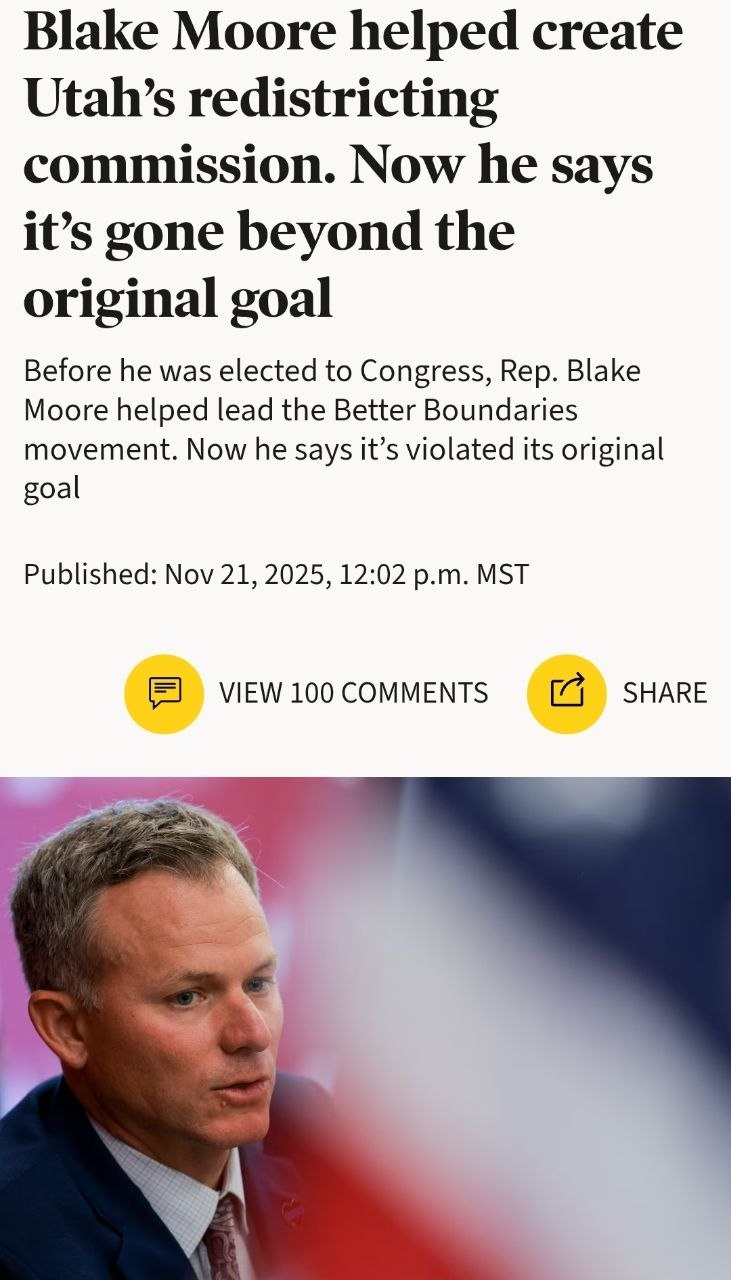
Judicial / Redistricting / Venue shopping
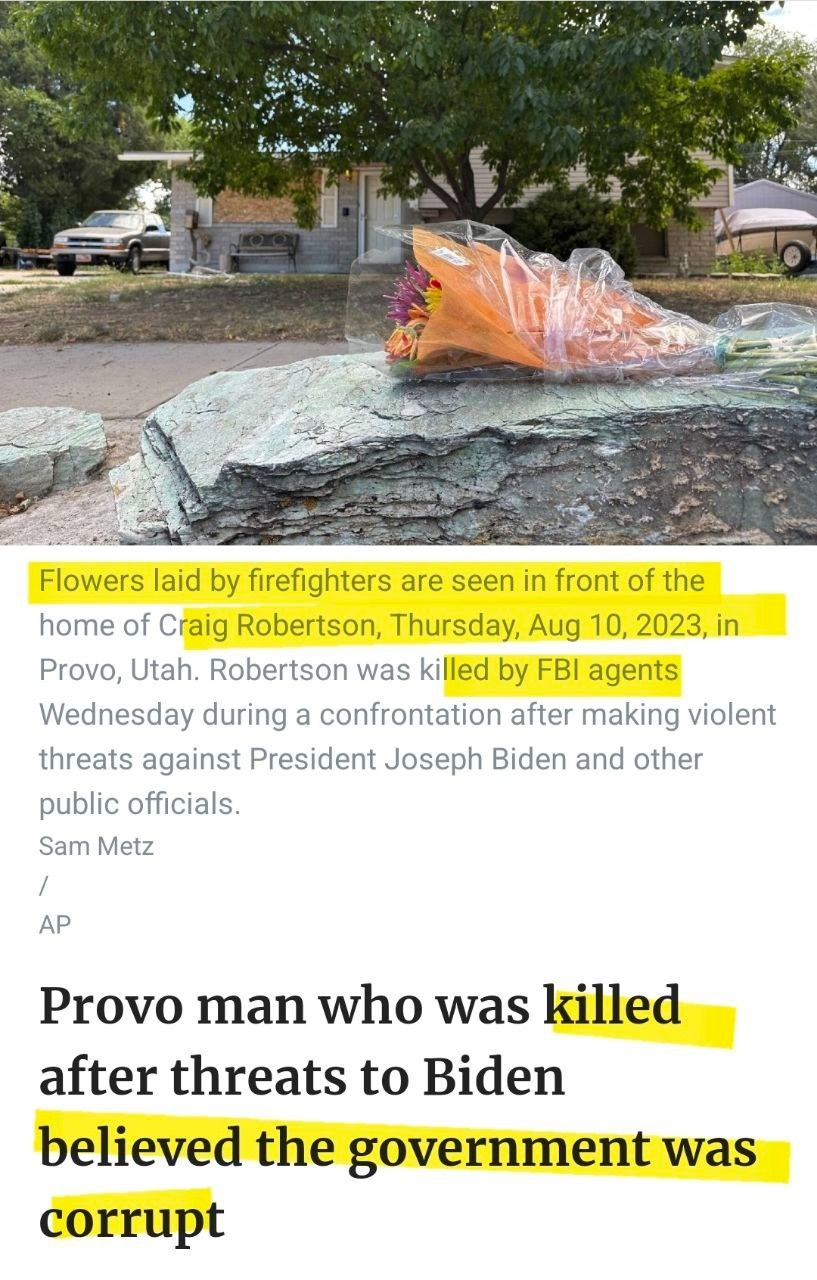
FBI use-of-force transparency: Craig Robertson
Medical freedom / malpractice barriers (next-cycle build)
1) Food Freedom: expand HB0179 into “real food access”
Status: HB0179 (raw milk expansion) is live. (https://legiscan.com/UT/bill/HB0179/2026)
What I’m doing: using HB0179 as the base to broaden into a Food Freedom / Real Food Access package: direct-from-producer access, fewer artificial barriers, clear safe-harbor language.
What I’d like from you (structure + language):
What exact “food freedom” language belongs here (raw milk + broader direct sales)?
What are the must-have guardrails so it doesn’t get killed on safety/process arguments?
Any proven Utah / other-state wording you trust.
(If you’ve fought this fight before, I want your playbook.)
I’m planning on sticking sections encouraging statewide R&D on the efficacy of real food for people vs processed.
2) Judicial friction: redistricting + the venue shopping problem
2A) Redistricting / separation of powers https://utahnewsdispatch.com/2025/08/25/judge-orders-utah-legislature-to-draw-new-congressional-map/
Judge Dianna Gibson struck Utah’s congressional map and framed it as the legislature unconstitutionally overriding Prop 4 / SB200. I’m bringing this up because it’s not “one case”—it’s a power boundary problem.
My position (plain): a district court shouldn’t be functionally re-writing the legislature’s constitutional role on representation maps.
What I’d like from you:
Tight structural arguments: how to state this cleanly, so it lands with legislators and the public.
Any concise precedent / framing you’d use (Utah-focused preferred).
2B) Impeachment case: I have a solid theory — I want critique
I’m prepared to argue impeachment for abuse/usurpation of authority under Utah’s impeachment provisions (I’ll include the Utah Constitution link in the post). I’m not asking for permission—I’m asking you to stress test my structure.
Here’s the article in the state constitution: https://law.justia.com/constitution/utah/htm/CO_07020.html
My case: The Judge usurped the separation of powers
The authority at issue is legislative, not judicial
Under the Elections Clause, the state legislature sets the “Times, Places and Manner” of congressional elections, which includes the map/structure used for representation.
Courts can adjudicate disputes, but they cannot take ownership of the legislature’s core function and reassign it to themselves or a commission by decree
That is a transfer of power, not a check on power.
Utah’s Constitution provides impeachment for officers who commit misconduct in office. The Legislature isn’t required to tolerate repeated constitutional overreach and “appeal forever.”
“Impeachment is warranted because the judge crossed the separation-of-powers line by converting judicial review into control over congressional map-making—an authority constitutionally delegated to the Legislature—i.e., a usurpation and abuse of office.”
What I’d like from you:
What’s the cleanest 3–5 point outline that survives hostile scrutiny?
What are the obvious counterarguments I should pre-empt?
2C) Venue shopping: structural fix (model wanted)
This is the bigger pattern: challengers file in friendly venues and get predictable judges. I proposed a transparent randomized assignment concept across districts for constitutional challenges.
What I’d like from you:
Do you have a better structural model? (Utah, federal analogs, other states—anything workable.)
If you’ve seen a mechanism that actually stops venue gaming, I want it.
3) FBI shooting of Craig Robertson: records + oversight, not vibes
I’m assembling a focused records/oversight package on the Robertson operation in Provo. I’m not writing this as a journalist. I’m approaching it like process/quality: decision chain, coordination, escalation, documentation.
I’ll be working with Tyler Clancy and building a FOIA + state-records strategy.
What I’d like from you:
Structural targets: what categories of records and decisions matter most?
If you’ve done FOIA/records fights: where do agencies hide the ball, and how do we box them in?
(I’ll drop the core local reporting links so people can read fast.)
4) Medical freedom / malpractice barriers: I’m collecting structure for next cycle
This is a next-cycle build, but I’m collecting board input now because Utah’s malpractice environment (caps, short windows, procedural hurdles) keeps coming up from credible people I’ve spoken with.
What I’d like from you:
I have in mind one structural reform I can get through because I know some of these people. Do you have one? Do you have another? Thoughts?
What’s the cleanest framing so it’s about accountability and patient rights—not culture war noise?
Close
Comment wherever you have ideas good or bad. If you think any piece is wrong, weak, or missing a critical constraint—say so. I’m going up there either way. This board is where I want the hard feedback before I formalize language and push.