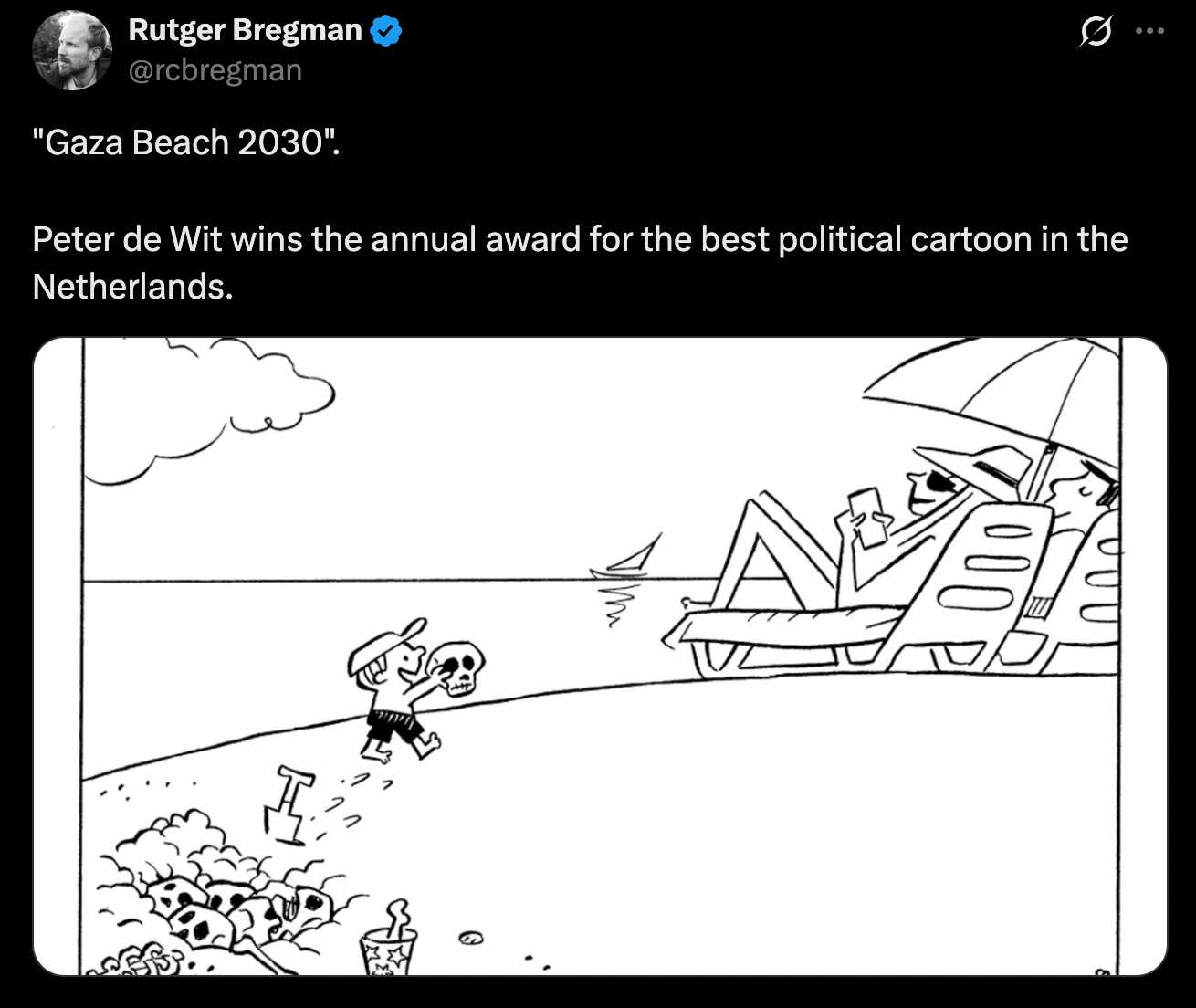
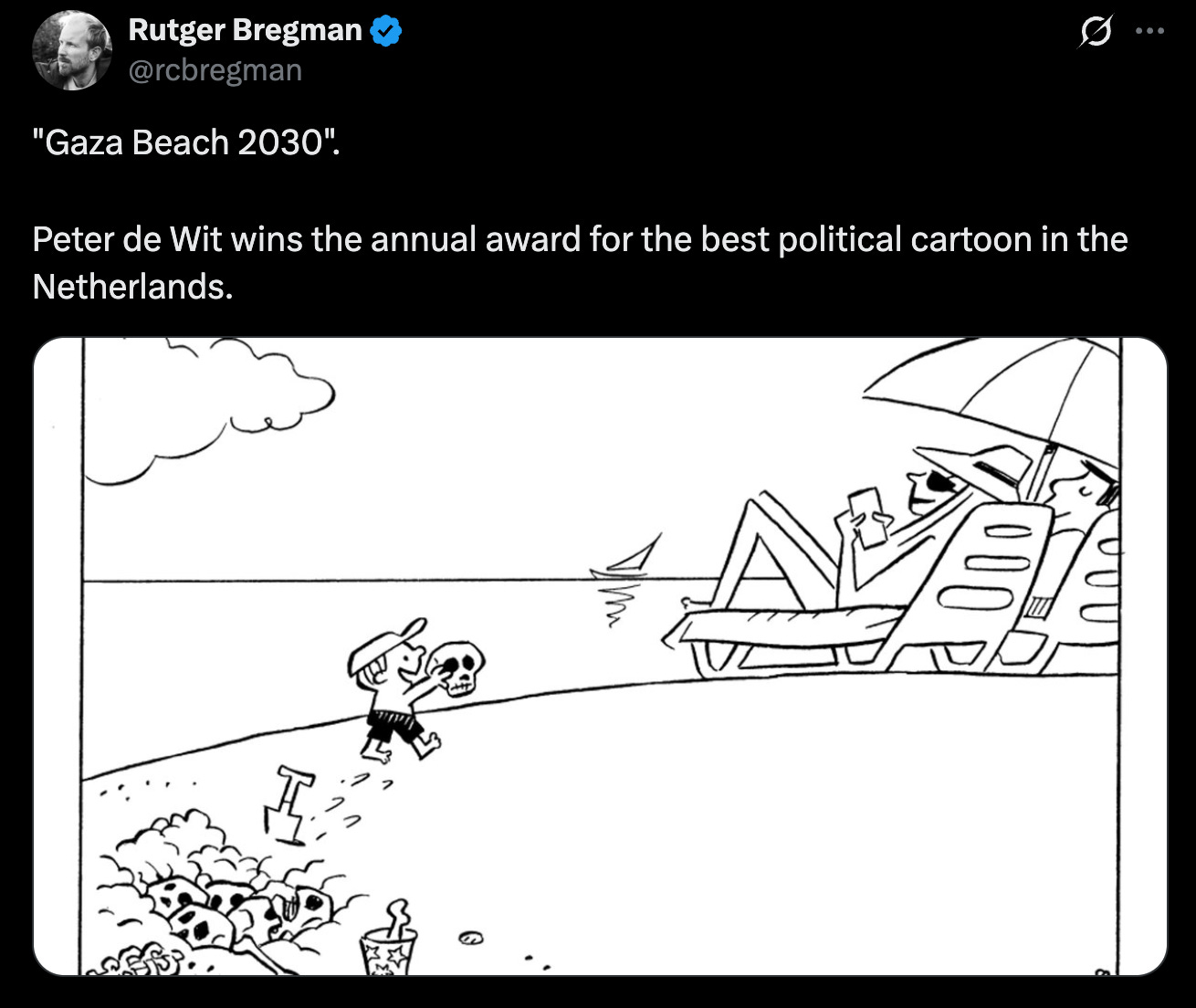
I could be wrong, but it seems to me that Venezuela has capitulated and gone over to the Dark Side.
Rodríguez Hails ‘Long-Term’ US Energy Ties as Trump Official Vows to ‘Set Venezuela Free’
Wright's high-level visit took place five weeks after US forces bombed Caracas and kidnapped President Nicolás Maduro on January 3.
Ricardo Vaz
February 12, 2026
Caracas, February 12, 2026 (venezuelanalysis.com) – Venezuelan Acting President Delcy Rodríguez hosted US Energy Secretary Chris Wright at Miraflores Palace in Caracas on Wednesday.
Wright is the highest-ranked US official to be received at the presidential palace in over 25 years. The high-profile visit took place a little over a month after US forces bombed Caracas and kidnapped Venezuelan President Nicolás Maduro and First Lady Cilia Flores on January 3.
Rodríguez and Wright, who was accompanied by US Chargé d’Affaires Laura Dogu, held a private meeting before briefly addressing the press.
Venezuela’s acting leader centered her statements on a joint “energy agenda” between Caracas and Washington that could be “mutually beneficial.” The talks reportedly included discussions on oil, natural gas, electricity, and mineral projects.
“The main point in our agenda is the establishment of a long-term productive alliance, with an energy agenda that becomes the engine of our bilateral relations,” Rodríguez told reporters. “This energy agenda should be effective, complementary, and beneficial for both countries.
Defending the recent rapproachment, she pointed to Venezuela and the United States’ energy ties dating back 150 years.
“Our relationship has had its ups and downs in political terms, but I am confident that through diplomacy we can overcome our differences,” Rodríguez added. She made no mention of Maduro in her public remarks.
Rodríguez, who served under Maduro as vice president, assumed the presidency on an acting basis on January 5 as directed by the Supreme Court’s Constitutional Chamber. Maduro and Flores have pleaded not guilty to charges including drug trafficking conspiracy.
Venezuelan authorities have fast-tracked a diplomatic reengagement with the Trump administration since the January 3 attacks. In a recent interview, National Assembly President Jorge Rodríguez, brother of the acting president, emphasized the prospect of establishing a “win-win” relationship with Washington.
The parliamentary leader stated that Venezuela was “adapting” legislation to attract US investment. The Venezuelan legislature recently overhauled the country’s Hydrocarbon Law to grant increased incentives to foreign corporations. Under the reformed law, private corporations will enjoy reduced taxes and royalties, as well as expanded control over operations and sales and the prerogative to take disputes to external arbitration bodies.
For his part, Wright said that he brought “a message” from Trump, that the US president was committed to a “broader agenda to make the Americas great again.” The Energy Secretary praised a “wonderful and candid dialogue” with Venezuelan leaders and spoke of “tremendous opportunities” in the Caribbean nation’s energy sector.
Wright highlighted the Trump administration’s recent sanctions waivers allowing US companies to return to the Venezuelan oil sector and permitting exports of diluents, other inputs, and technology for oil operations to the South American country.
“We have been working to issue licenses to existing businesses, to new businesses that want to enter Venezuela, for Venezuelan companies to buy [US] products and raise oil production,” he continued. “We want to set the Venezuelan people, and the economy, free.”
On Thursday, Rodríguez and Wright visited Petroindependencia, a crude upgrader in the Orinoco Oil Belt. According to reports, Wright is also scheduled to visit Petropiar. Chevron is a minority stakeholder in both joint ventures. The US official will also hold meetings with business executives, and claimed he wants to “improve the management” of PDVSA.
Since January, the Trump administration has exerted control over Venezuelan oil exports. Commodity traders Vitol and Trafigura have lifted Venezuelan crude to resell to other customers, while depositing proceeds in US-run accounts in Qatar. Washington has thus far returned to Caracas US $500 million out of a reported $2 billion initial agreement.
The recent licenses likewise mandate that payments be made to accounts designated by the US Treasury and block transactions with companies from China, Cuba, Iran, North Korea and Russia. US forces have maintained a naval blockade and seized several tankers for allegedly transporting Venezuelan crude. PDVSA also remains under financial sanctions.
Former President Hugo Chávez (1999-2013) had a confrontational relationship with Washington, repeatedly denouncing US interventions abroad, including in Afghanistan, Iraq, Libya, and Syria. He likewise promoted several regional integration projects.
Maduro severed diplomatic ties with the US in 2019 after the first Trump administration formally recognized the Juan Guaidó-led self-proclaimed “interim government” as the country’s legitimate authority.
Despite the rapid rapprochement, the White House has yet to recognize the acting government of Delcy Rodríguez. The formal recognition could pave the way for a restructuring of Venezuela’s sizable foreign debt.
https://venezuelanalysis.com/news/rodriguez-hails-long-term-us-energy-ties-as-trump-official-vows-to-set-venezuela-free/