IS TRUMP THE FIRST CRIMINAL PRESIDENT?
No. Trump's actions against Iran are under the Nuremberg principles criminal acts of aggression. He could be indicted for them. But every US president since WWII could be indicted for similar crimes. The difference between Trump and the others is that he is honest and openly proud about them.
The Nuremberg principles are:
Here are the legal principles set by the Nuremberg trials. The irony of the Nuremberg trials is they were prosecuted by Robert H. Jackson (the chief U.S. prosecutor) and his assistant Telford Taylor and it was these prosecutions which set the stage for the codification of the trial precedents in inter national law.
Of course International law is a paper tiger as there is no universal agreement to abide by it. The US, Russia and China who have been the greatest perpetrators of war crimes have not ratified the relevant international agreements. In fact the US has a law that forbids trials in the Hague of any US service men. (American Service-Members' Protection Act of 2002) It is useful to note however that many of the Nuremberg principles have been embodied in the military law of the US. There have been a few prosecutions under these laws. Calley, Abhu Grabe.
Another interesting point is that an Australian soldier Ben Roberts-Smith has just been arrested for war crimes in Afghanistan.
1) Origin and purpose
- Adopted by the International Law Commission (1950) and based on the Nuremberg Charter and judgments (1945–46). They summarize the legal rules the Tribunal applied to hold individuals — not just states — criminally responsible for war-related conduct.
2) The seven Nuremberg Principles (summary)
- Principle I: Any person who commits an act which constitutes a crime under international law is responsible and liable to punishment.
- Principle II: The fact that a person acted as a head of state or government, or as a private individual, does not relieve them of responsibility.
- Principle III: Acting pursuant to orders of a government or superior does not relieve a person of responsibility under international law, provided a moral choice was possible.
- Principle IV: The fact that domestic law does not impose a penalty for an act which is an international crime does not relieve the person who committed the act.
- Principle V: The fact that the person was under a legal obligation to obey domestic law is not a defense to an international crime.
- Principle VI: Lists punishable offenses: (a) crimes against peace (planning, initiating, waging aggressive war); (b) war crimes (violations of laws or customs of war); (c) crimes against humanity (murder, extermination, enslavement, deportation, other inhumane acts against civilians).
- Principle VII: Parties to a treaty, or nations generally, are responsible for prosecuting those who commit international crimes or must surrender them for trial.
3) Core substantive crimes defined at Nuremberg
- Crimes against peace (crime of aggression): planning, initiating, or waging wars of aggression, or participating in a common plan or conspiracy to commit them.
- War crimes: Grave breaches of the laws and customs of war (attacks on civilians, mistreatment of POWs, unnecessary destruction, etc.).
- Crimes against humanity: Widespread or systematic attacks against civilian populations (murder, extermination, deportation, torture, persecution, etc.), whether in peace or war.
4) Individual criminal responsibility principles
- Leaders and subordinates: Heads of state, government officials, military commanders, and civilians are individually accountable.
- Command/superior responsibility: Superiors can be liable for crimes committed by subordinates if they knew or should have known and failed to prevent or punish.
- No immunity: Official capacity is not a defense under these principles.
- Limited defense of superior orders: A lawful-obedience defense is limited; illegal orders (manifestly unlawful) do not excuse criminal conduct.
5) Elements and evidentiary issues (general)
- Mens rea: Intent or knowledge varies by crime — crimes against peace require planning/intent to engage in aggressive war; crimes against humanity require knowledge of widespread/systematic attack on civilians.
- Acts/commission: Acts of planning, ordering, directing, aiding and abetting, or otherwise substantially contributing can ground liability.
- Causation and foreseeability: For many accusations, showing that conduct foreseeably led to widespread civilian harm is critical.
In Trump's and Hegseth's cases the "Mens Rea" (guilty mind) for them is simple to prove since they have broadcast their intent on global media.
US PRESIDENTIAL INDICTMENT LIST
It is important to note that the presidents are not guilty of war crimes, but what this shows is they meet the criteria to be indicted and tried for them.
Here is the rogues' gallery:
Truman (1945–1953)
- Atomic bombings of Hiroshima and Nagasaki civilians (decision to use nuclear weapons).
- Support for and role in shaping postwar order and early Cold War policies.
- Endorsement and escalation of the Korean War (1950–53), including large-scale bombing of North Korea and civilian targets.
- Support for U.S.-backed coups (early planning/support for interventions in places like Iran; see 1953 coup groundwork).
Eisenhower (1953–1961)
- Direct/indirect U.S. involvement in 1953 Iran coup (Operation Ajax) and 1954 Guatemala coup (support for overthrowing Arbenz).
- Covert operations and CIA interventions across Asia, Latin America, and Africa.
- Support for repressive anti-communist regimes and training/arming of security forces involved in abuses.
Kennedy (1961–1963)
- Escalation of covert operations in Vietnam (advisers, air strikes, early interventions).
- Authorization of Bay of Pigs invasion and continued CIA covert interventions (Latin America).
- Support for coups and regime-change plans in the hemisphere.
Johnson (1963–1969)
- Major escalation of the Vietnam War (Gulf of Tonkin resolution, sustained bombing campaigns, use of napalm and Agent Orange) with huge civilian casualties.
- Support for U.S. covert actions and backing of allied regimes committing atrocities.
Nixon (1969–1974)
- Expansion of the Vietnam War into Cambodia and Laos (1969–70 bombing and incursions), secret bombing campaigns.
- Support for Operation Condor–era policies and backing anti-communist authoritarian regimes.
- U.S. support for repressive governments (e.g., Indonesia after 1965) and covert destabilization programs.
Ford (1974–1977)
- Continued support for Cold War military and covert operations; backing of allied regimes implicated in violations (e.g., support for Pakistan during 1971 Bangladesh atrocities is earlier but relevant to policy continuities).
- Continued military assistance to repressive states.
Carter (1977–1981)
- Support for anti-communist forces in Latin America (military aid/training) despite human-rights rhetoric.
- Covert support to mujahideen in Afghanistan (starting late Carter period) and to anti-government forces elsewhere.
Reagan (1981–1989)
- Large-scale support for Contra forces in Nicaragua (funding, training) implicated in human-rights abuses.
- Invasion of Grenada (1983) and major covert/arms support programs (Iran–Contra).
- Heavy support for repressive U.S.-allied regimes (El Salvador, Guatemala) where massacres and atrocities occurred.
- Military interventions in Lebanon and Libya; expansive anti-left foreign policy.
George H. W. Bush (1989–1993)
- Invasion of Panama (1989) and its civilian toll.
- First Gulf War (1990–91) with heavy bombing of Iraq and civilian infrastructure.
- Support for no-fly zones and sanctions on Iraq with long-term humanitarian impacts including death through starvation of children.
Clinton (1993–2001)
- NATO bombing of Serbia (1999) and Kosovo campaign with civilian casualties and infrastructure destruction.
- Military interventions and strikes (Iraq no-fly enforcement, cruise-missile strikes).
- Support for proxy forces and U.S. interventions with contested civilian impacts (Somalia, Haiti interventions with mixed outcomes).
George W. Bush (2001–2009)
- 2001 invasion of Afghanistan and 2003 invasion of Iraq (authorization of aggressive wars).
- Widespread civilian casualties from air campaigns and ground operations.
- Enhanced interrogation/torture policies, extraordinary rendition, detention practices (Guantánamo, Abu Ghraib) raising crimes-against-humanity allegations.
- Use of targeted killings/drone strikes with reported civilian deaths.
Obama (2009–2017)
- Continued large-scale drone strike program in Pakistan, Yemen, Somalia with civilian casualties and targeted-killing practices.
- Continued wars in Afghanistan and interventions (Libya 2011 NATO intervention, support for rebel forces).
- Expanded use of special operations and extrajudicial strikes; arms and support to regimes/forces implicated in abuses.
Trump (2017–2021)
- Continuation and expansion of drone strikes and special operations.
- Assassination of Iranian General Qasem Soleimani (targeted killing across borders).
- Support for sanctions and coercive measures with humanitarian impact; arms sales to repressive regimes.
- Increased military and covert pressure in multiple theaters.
Biden (2021– 2025)
- Continuation of air strikes and drone operations against nonstate actors (civilian casualties in counterterrorism strikes).
- Withdrawal from Afghanistan (2021) and chaotic aftermath including civilian deaths in final airstrike; responsibility debates over conduct.
- Continued arms sales and support to partners (e.g., Saudi/UAE involvement in Yemen) linked to civilian harm.
- Arm sales, intelligence and direct involvement in Israels attack on Gaza.
Trump (2025 - 2026)
- Invasion of Venezuela and kidnapping of leader and wife
- Providing resources and intelligenc to Israel for the bombing of Gaza civilians, Lenbanon civillians.
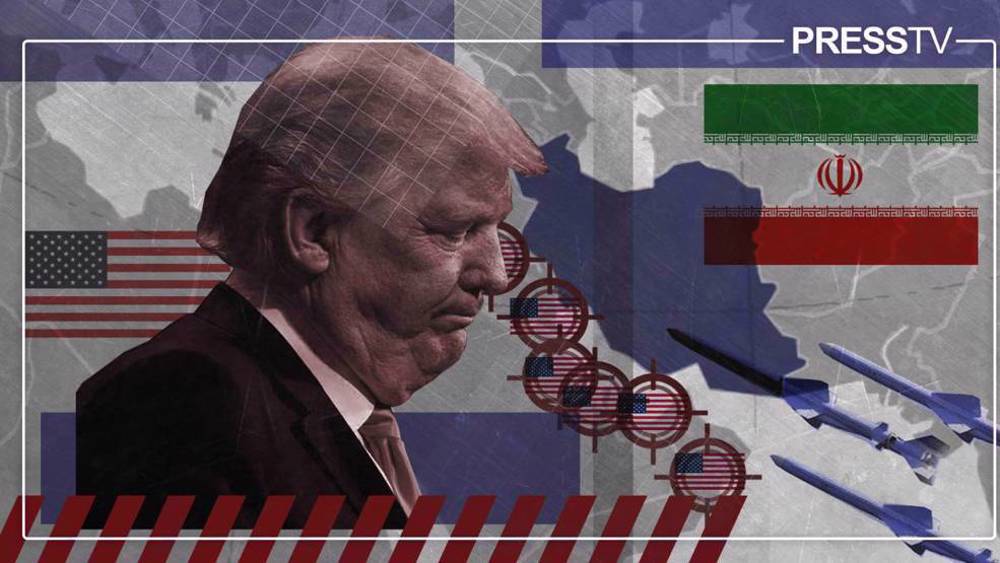
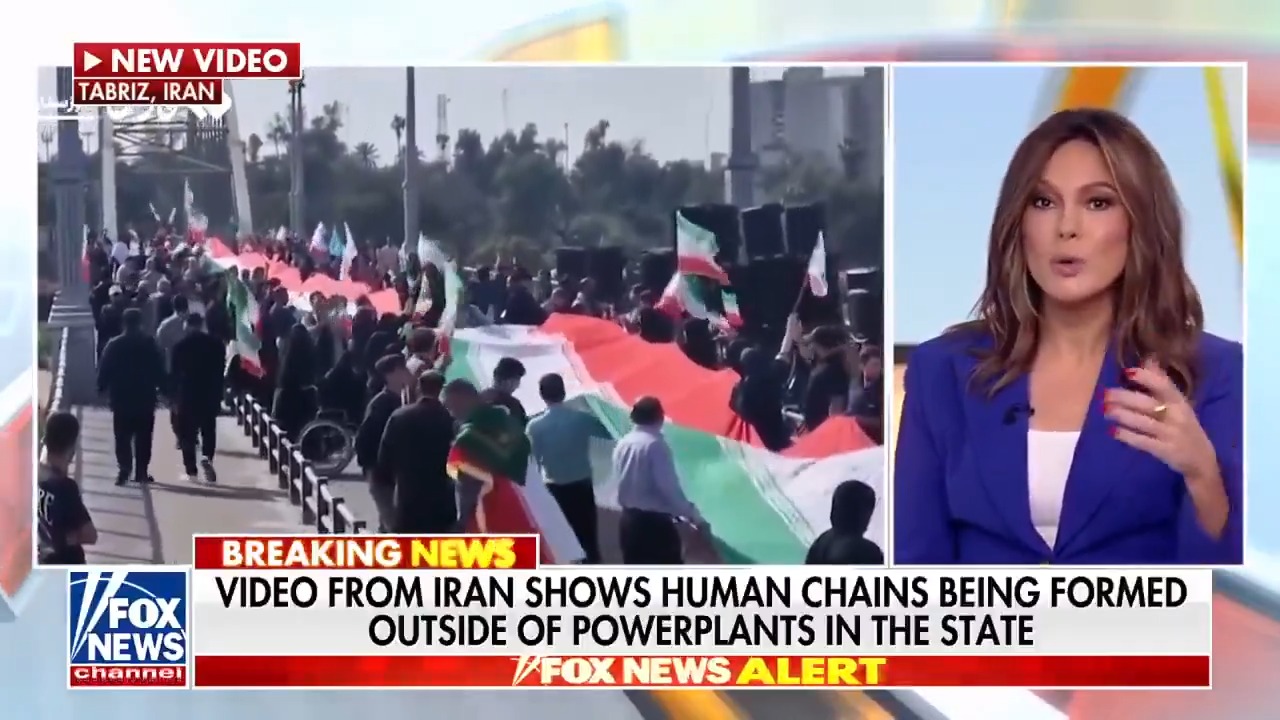
- Illegal war against Iran
- Systematic bombing of Iranian civilian infrastructure