FROM RUSSIAN SOCIAL MEDIA:
6 of the Strangest Small Arms Made in the USSR
Weapons development was continuous in the Soviet Union. Achieving perfection required the creation of a wide range of weapons, including some quite unusual and some downright unsuccessful. However, all of them played a role in training designers, which allowed Russia to develop high-quality weapons today. Let's look at some of the most interesting and unusual examples of Soviet military production.
Subscribe to our Telegram channel to receive more materials about unusual weapons and military technology.
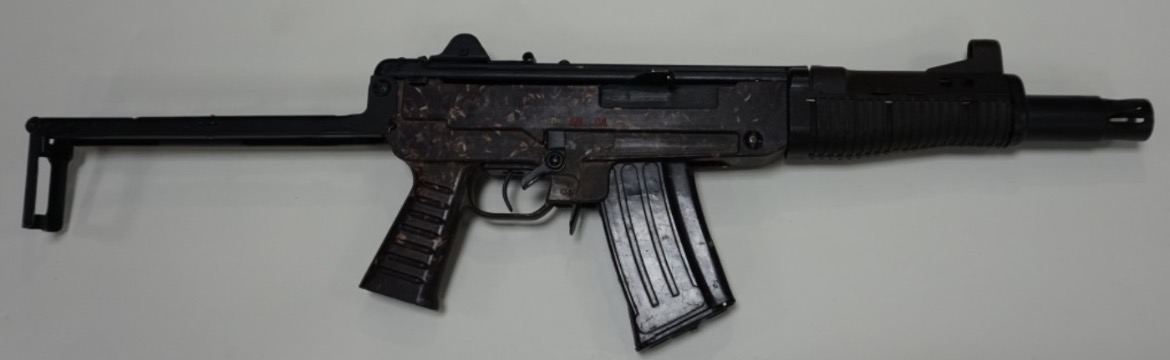
1. TKB-022 Submachine Gun
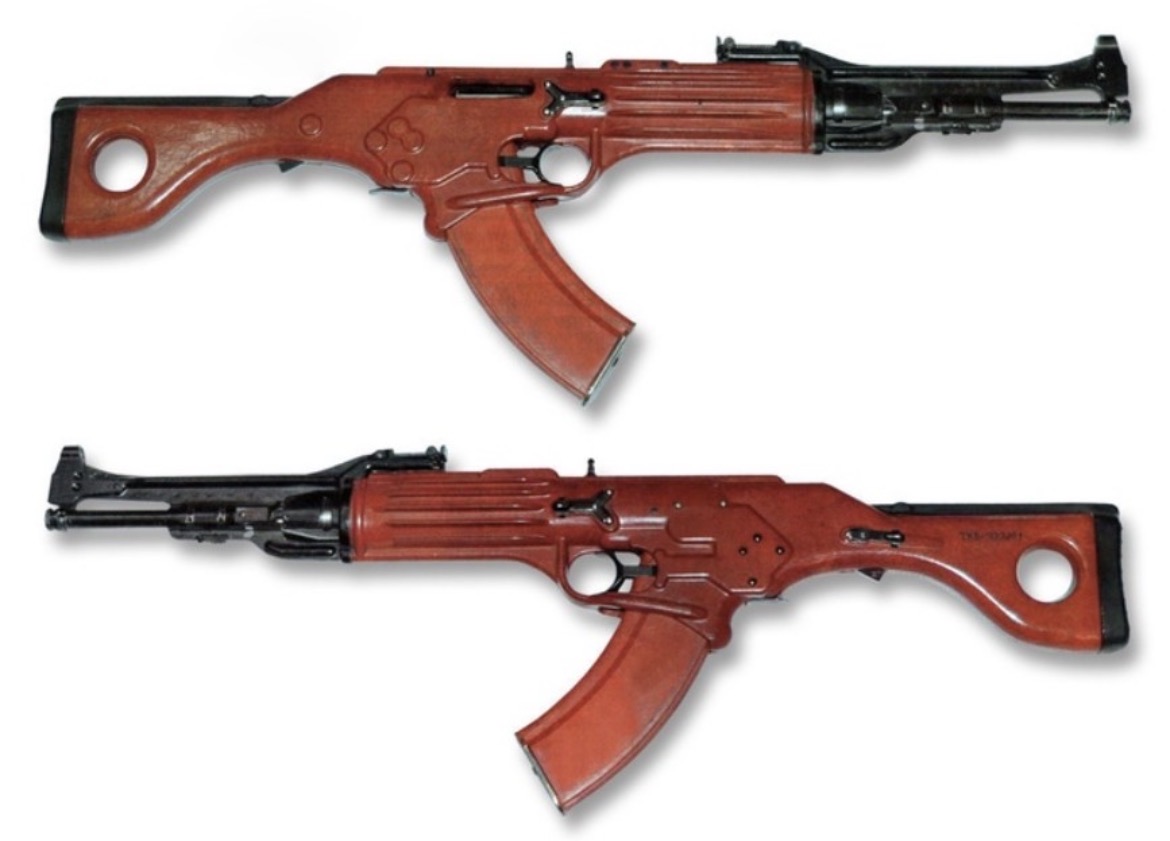
In 1960, at the Central Design Bureau of Sporting and Hunting Arms (TsKIB SOO) in Tula, German Korobov developed an innovative small arms model – the TKB-022 submachine gun, characterized by a pistol-like configuration and a magazine integrated into the grip. This assault rifle, with its outstanding compactness and light weight (weight without magazine was 2.6 kg, and length was 755 mm), represented a competitive alternative to the classic modernized Kalashnikov assault rifle (AKM).
However, despite its potential advantages, the TKB-022 was not accepted into service. The main factors that hindered its adoption were design flaws, such as the use of a fragile plastic body, an inconveniently located ejection port, and an unusual appearance that did not meet the aesthetic and ergonomic standards of the time.
Currently, the TKB-022 is on display at the Tula Arms Museum, where it represents yet another artifact of a bygone era, demonstrating the evolution of small arms and the innovative approaches to their development in the mid-20th century.
2. TKB-03 Assault Rifle
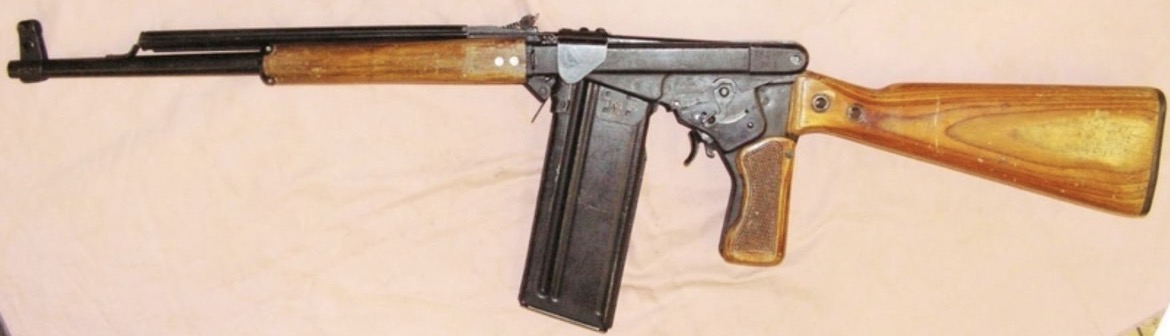
The TKB-03, developed by G. A. Korobov, is a unique small arms design that, despite its potential, was not widely adopted. It is often confused with the TKB-09, as both assault rifles share similar design features. Korobov's primary goal was to create a simple and cost-effective weapon chambered for the 5.45×39mm cartridge.
The TKB-03 assault rifle is distinguished by its minimalist design, achieved through the use of an upper and lower receiver, significantly simplifying disassembly and maintenance. However, despite these design advantages, the rifle had significant flaws that led to its rejection by the military commission.
One of the main drawbacks of the TKB-03 was the excessive free movement of the bolt carrier, which significantly reduced the effectiveness of the automatic mechanism. Furthermore, the constant visibility of the bolt during firing created additional inconvenience for the shooter, reducing their psychological stability in combat conditions. These factors, combined with other technical problems, led to the assault rifle's rejection.
3. AO-27 Sub-caliber Assault Rifle
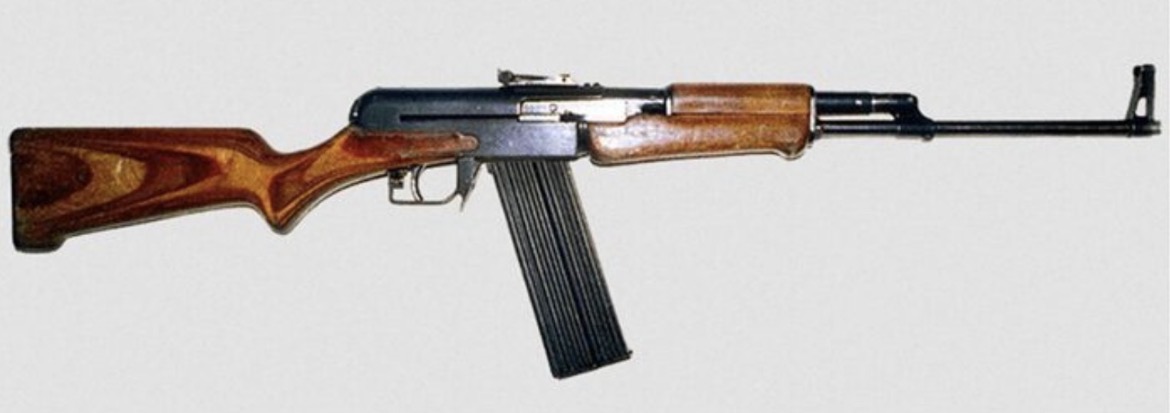
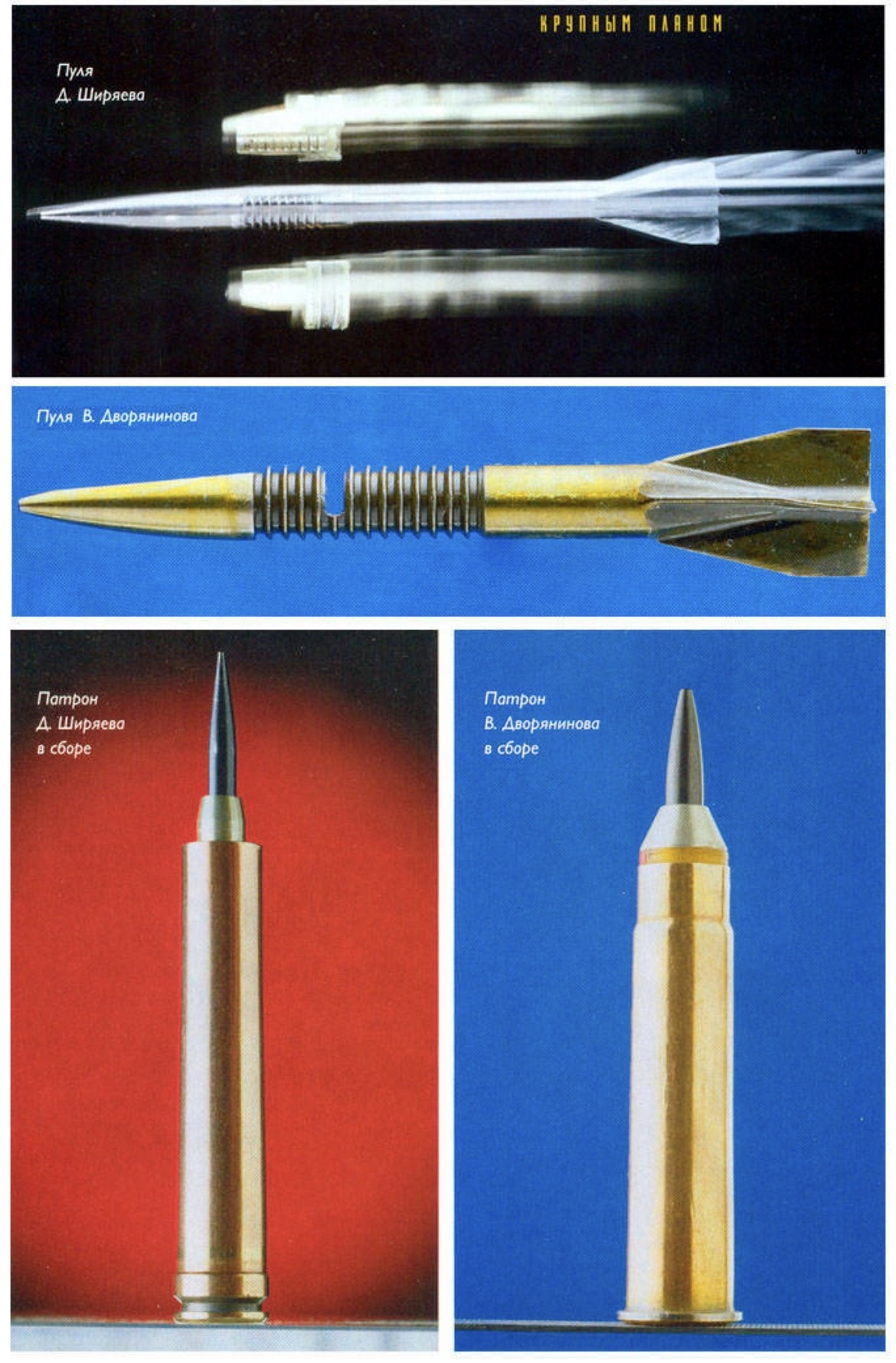
In 1960, the outstanding designer Dmitry Shiryaev introduced an innovative cartridge with a 7.62x3mm sub-caliber flechette bullet (caliber: barrel-bullet) equipped with fins. This cartridge was developed to improve the effectiveness of small arms, especially in confined spaces and requiring high accuracy. In 1963, the AO-27 assault rifle, based on this cartridge, was created; its design was similar to the Saiga hunting carbine.
The AO-27 assault rifle possessed unique functionality, allowing it to fire both single shots and bursts, significantly expanding its tactical capabilities. However, despite its promising characteristics, the 7.62x3mm cartridge faced a number of significant drawbacks, including high production costs and limited effectiveness in real combat conditions.
Following research and analysis of its performance characteristics, a decision was made to replace this cartridge with a more cost-effective and efficient 5.45x39 caliber cartridge. This decision significantly improved the overall combat effectiveness of small arms and marked an important step in the development of the domestic arms industry. Consequently, the AO-27 project was officially discontinued, giving way to more modern and technologically advanced small arms designs.
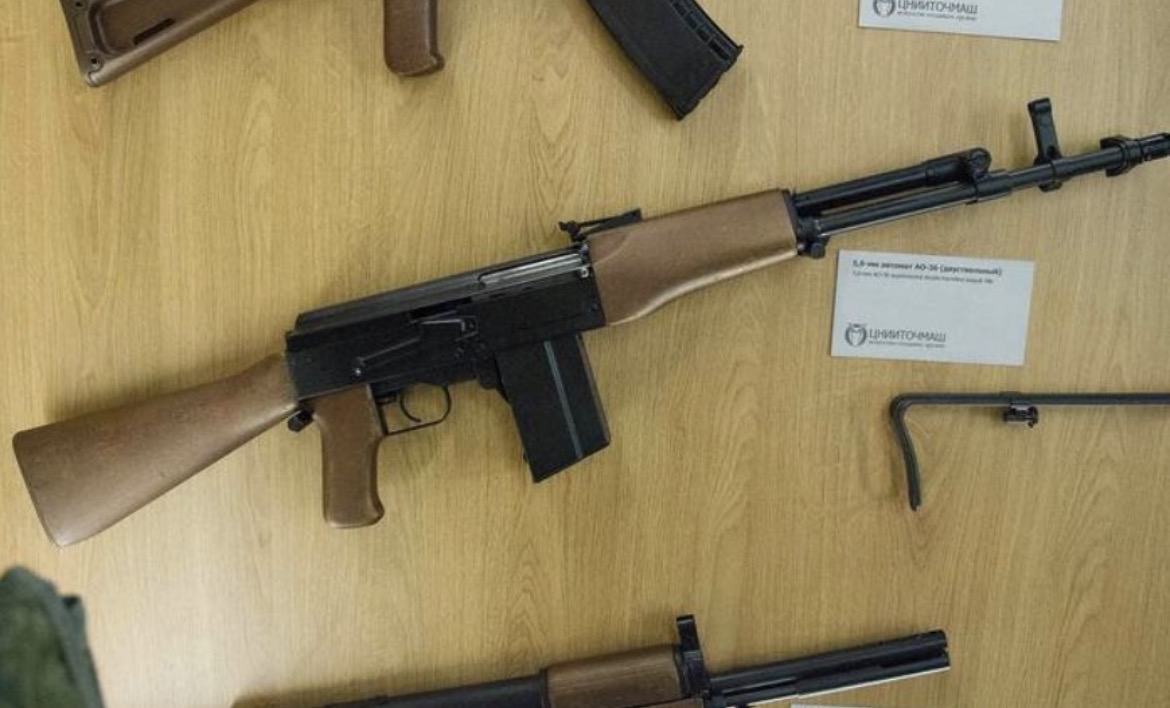
4. AO-36 Double-Barrel Assault Rifle
As part of the research activities of the Central Research Institute of Precision Engineering (TsNIITochMash), an advanced double-barrel assault rifle concept, designated the AO-36, was developed. This design was aimed at significantly improving the effectiveness of fire under dynamic conditions. This design was based on a gas-operated principle, used 5.6 mm ammunition, and possessed the unique ability to fire from two barrels simultaneously, both inIn both automatic and dual-action modes.
However, despite the significant potential of this development, the AO-36 project was not implemented into serial production. This was due to a number of factors, including the high technical complexity of the design, significant production and operating costs, as well as certain inconveniences related to ergonomics and the practical use of this weapon in real combat conditions.
5. Dragunov Assault Rifle. Evgeny Dragunov, a prominent Russian small arms designer, proposed an innovative concept for modifying the Dragunov sniper rifle (SVD) by integrating its design elements with a Kalashnikov assault rifle (AK-74) magazine. This experimental model was developed with the aim of combining the ergonomic and technical characteristics of the SVD with the functionality of an assault rifle chambered for the 5.45×39mm cartridge. However, despite the promising nature of this idea, during its practical implementation, significant design flaws were identified, including excessive bulk and a decrease in the weapon's overall ergonomics, which significantly limited its operational capabilities.
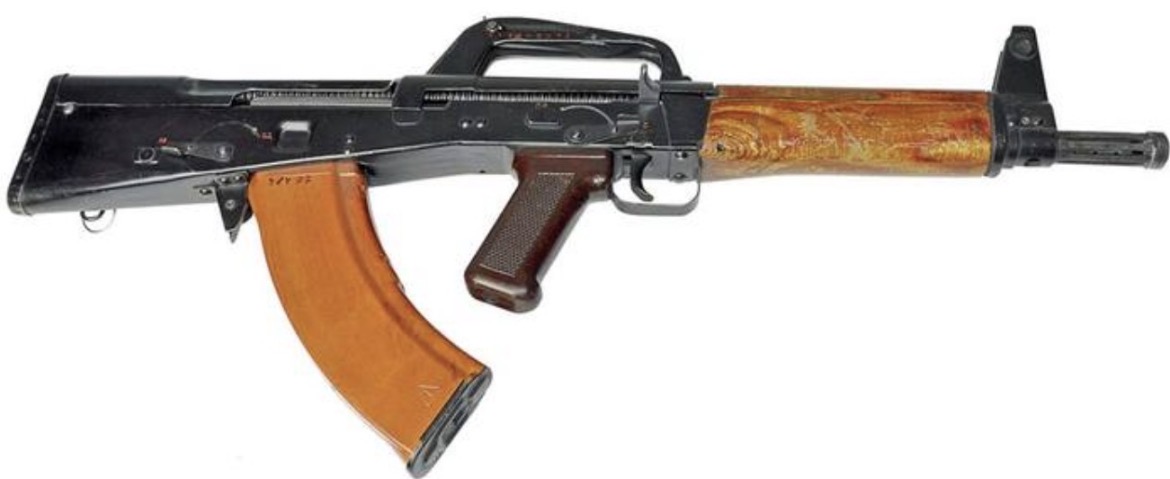
6. LA-3 Assault Rifle with Carrying Handle
The LA-3, based on the Kalashnikov assault rifle, was developed. It featured an ergonomic carrying handle, a result of proven engineering solutions proposed by A. Nesterov at the Izhevsk Mechanical Plant. This weapon chambered the 7.62x39mm cartridge and used an AKM magazine. Particular attention was paid to the design of the handle, which was equipped with a diopter sight, significantly improving firing accuracy. However, despite the project's potential, its implementation was complicated by a number of factors, including the technological complexity of production, the significant weight of the design, and the dependence of firing performance on the shooter's anthropometric characteristics. Ultimately, these restrictions led to the cessation of development and production of this type of weapon.
"Panorama" is a Zen channel where you'll learn even more than you expected.
Thank you for reading this article to the end; it means you found it interesting, or at least curious.