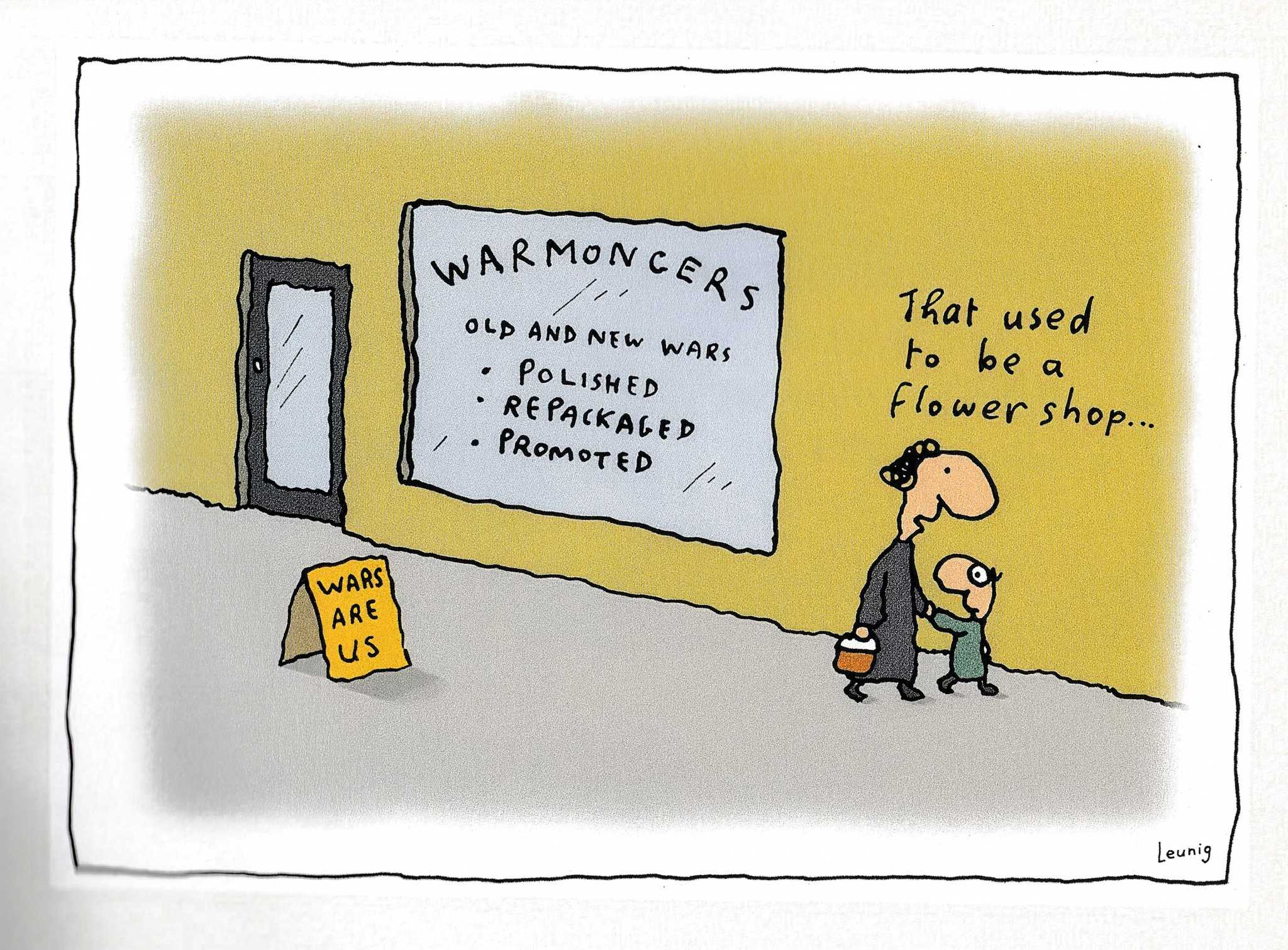
This could buy us single-payer healthcare and erase student debt.
———-
US war on Iran costs exceed $61bln, tracker shows
By Al Mayadeen English, Today 08:04
3 Min Read
A Pentagon report estimated the war would cost $1 billion per day after an initial six-day period had cost $11.3 billion.
The cost of the US war on Iran has exceeded $61 billion, according to the Iran War Cost Tracker. The portal updates data in real time and calculates the funds required to maintain personnel, ships deployed to the region, and other related expenses.
The calculation methodology is based on a Pentagon report to Congress, which stated that the first six days of the operation cost $11.3 billion, and further expenses would amount to $1 billion per day.
On February 28, the United States and "Israel" launched their aggression on Iran, causing damage and civilian casualties. Iran responded with retaliatory operations. On April 7, Washington and Tehran announced a two-week ceasefire. Subsequent talks in Islamabad ended inconclusively.
While no resumption of hostilities was announced, the United States began a blockade of Iranian ports. On Tuesday, Trump said that the United States would extend the ceasefire with Iran while continuing the blockade. On Wednesday, he said that peace talks with Iran were "possible" within the next 36 to 72 hours.
War costs could reach hundreds of billions
Short-term projections from weeks ago cited by The Intercept suggest that the war may end up costing the US trillions of dollars, if it drags on.
A government official, speaking on condition of anonymity, acknowledged the uncertainty of these figures, telling The Intercept that "it's a back-of-the-napkin estimate," while another official told the outlet, "They really have no idea of the real cost."
The proposed budget also aligns with a broader military buildup that includes investments in missile systems, naval assets, and advanced fighter jets, signaling preparations that extend beyond immediate battlefield needs. Against this backdrop, the proposed budget reflects a broader reallocation of resources toward sustaining prolonged military operations, while partially offsetting rising expenditures through cuts to domestic spending.
The budget blueprint comes ahead of the November 2026 midterm elections, with Republicans aiming to preserve their narrow control of both chambers of Congress. The proposal is also likely to face scrutiny from lawmakers who have already raised concerns over the scale of war-related spending and its long-term fiscal impact.
For American taxpayers, the message is clear: as the war on Iran grinds on with no end in sight, the costs continue to mount. And the administration's solution is not to end the war, but to pour even more money into it, all while cutting domestic programs that ordinary Americans rely on.