FROM RUSSIAN SOCIAL MEDIA:
She was KO'D at 16, having bought a shack with her last 20,000 rubles. When her relatives saw the results, they CHOKED...
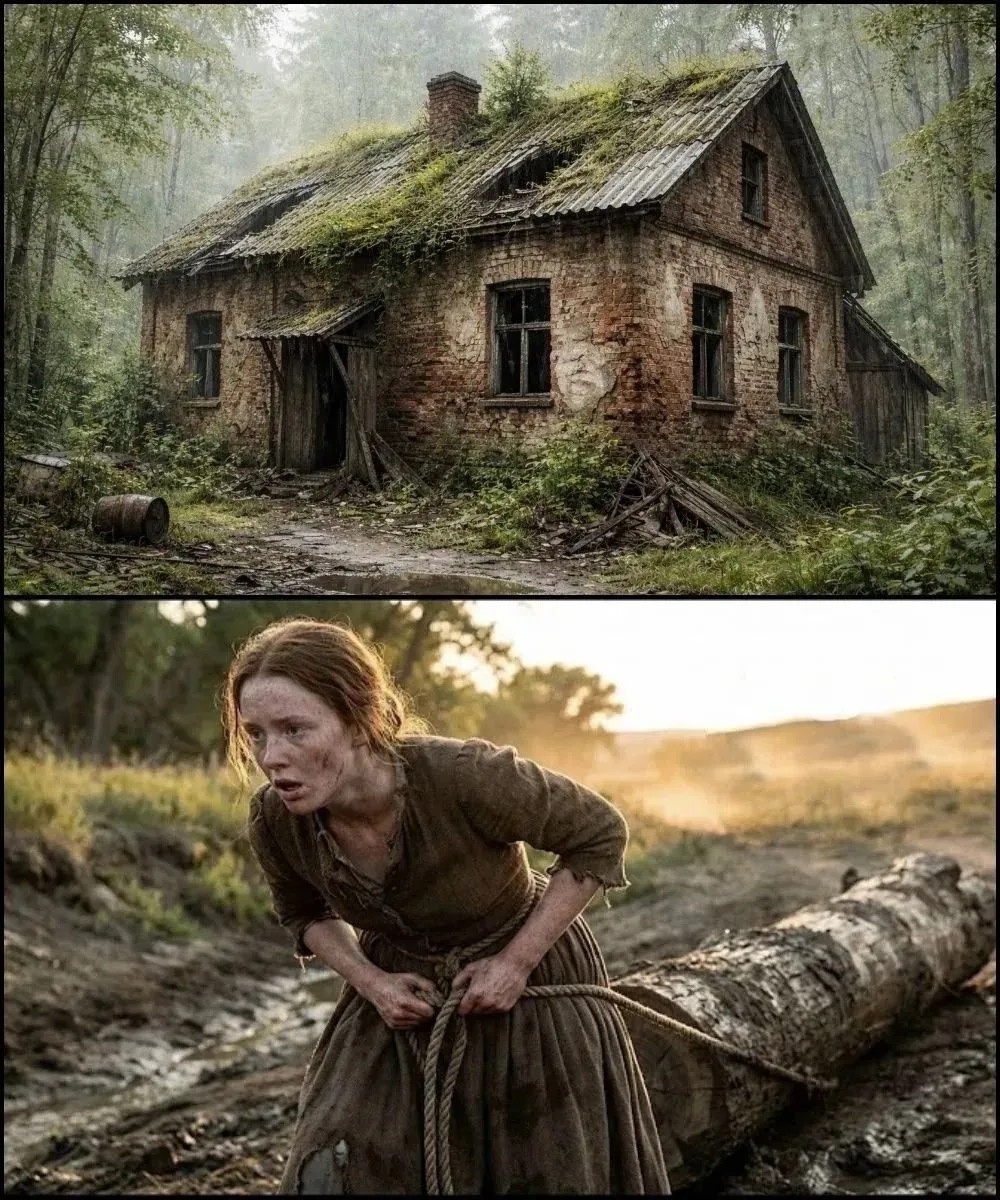
In the winter of 2023, when the north wind blew so hard it could tear the skin from your bones, in the southern steppes stood a house where the temperature inside never dropped below 18 degrees. While neighbors panicked and burned their own furniture to keep from freezing to death, you could comfortably walk around in this shelter wearing nothing but a shirt. And the woman who built it was only sixteen when she was cruelly kicked out of her own family.
She was thrown out onto the street because she flatly refused to marry the man her stepfather had selfishly chosen. He was a wealthy widower forty years her senior, known for his ill-repute and his heavy hand. When Elena flatly refused, her stepfather angrily called her ungrateful and declared that a useless family didn't deserve a roof over their heads. One chilly September morning, she simply found all her packed belongings thrown out the door.
So she caught the first interregional bus she came across, heading for the empty lands the state was giving away for next to nothing to anyone brave enough to develop them. It was the rainy autumn of 2022 when she arrived in the remote settlement of Proletarsk with everything she owned in the world tightly wrapped in an old canvas bag. The money she had saved over three hard years of working as a servant in a wealthy household in the capital amounted to two hundred thousand rubles, which represented every hour of lost sleep, every washed dish, and every silently swallowed insult. These were harsh steppe plots that almost no one wanted to take, because the lack of familiar infrastructure and the merciless winter winds could break a person in less than a month. When she arrived in Proletarsk, the local men looked at her with open pity, while the women bashfully averted their gaze. She simply walked silently to the abandoned plot they had assigned her near Verbovaya Balka and froze, staring intently at the horizon.
There was nothing but hard earth, a gray sky, and the warm memory of a story her grandfather had often told her as a child. Remembering this, Elena took out her knife and resolutely drew a perfect rectangle in the hard earth. Neighbors driving past in their expensive SUVs only laughed openly at the strange scene.
But Elena wasn't playing at construction and was dead serious. The next day, when the sun had barely broken the horizon, she began methodically digging. The days passed, and the deep excavation grew wider.
When the relatives saw the result, they choked...
✏️
...at first they didn't even understand what exactly they had seen.
In the place of that "twenty-thousand-dollar hut," there stood not a house, but a system.
A low, almost level with the ground, neat building with a sod roof, recessed into the slope of a ravine. The windows were narrow, deep-set, with double glazing. Above, a layer of earth and grass blended with the steppe. The wind blew over them without touching the walls.
"This... what?" the woman breathed, clutching her bag.
"A house," Elena answered calmly.
It was warm inside.
Not just "not cold"—really warm. Smooth, soft, like a good house with a stove. No smoke, no soot.
"Are you lighting the stove?" " asked one of the relatives, looking around.
"No."
She showed him.
Clay walls almost a meter thick—a heat storage facility. The entrance was through a small vestibule—to keep the heat in. Under the floor were ducts that carried warm air from a simple rocket stove she'd built herself using her grandfather's old plans. A solar collector made of tin sheets heated the air during the day, which then escaped into the walls. And at night, the house released its accumulated heat.
"You... did all this yourself?" the uncle said incredulously.
"Yes."
They exchanged glances.
The same ones who'd laughed.
The ones who'd said, 'It won't last a month.'
The ones who hadn't even tried to help.
"And the money?" the aunt asked cautiously.
"Almost everything went on materials. The rest on tools."
"And you're alone?"
Elena shrugged.
"At first, yes. Then they started coming." She nodded toward the door.
The neighbor stood on the threshold—the same one who had laughed first.
Now he was holding boards in his hands.
"I was wrong back then," he muttered. "If you don't kick me out... I'll help with the shed."
The silence in the house changed.
Heavy.
Not from the cold.
From shame.
"We... didn't think you..." the aunt began.
"That I could handle it?" Elena finished calmly.
She wasn't smiling.
But there was no anger either.
Only calm.
And strength.
"I didn't know either," she added. "Until I had to."
They stood, unsure what to say.
And the wind howled outside.
And for the first time all winter, it became clear to them:
it wasn't the weather.
But the person.