The Heaviest Tanks in History: Why Were These Nearly 200-Ton Vehicles Created?
When it comes to tanks, most people imagine thick armor, a huge gun, and impressive tracks. However, some vehicles stand out even among their peers due to their incredible weight. Modern main battle tanks have long since exceeded 60 tons, while in the past, engineers created true steel giants weighing over 100 and even 180 tons. Today, we'll tell you about the six heaviest tanks in the world.
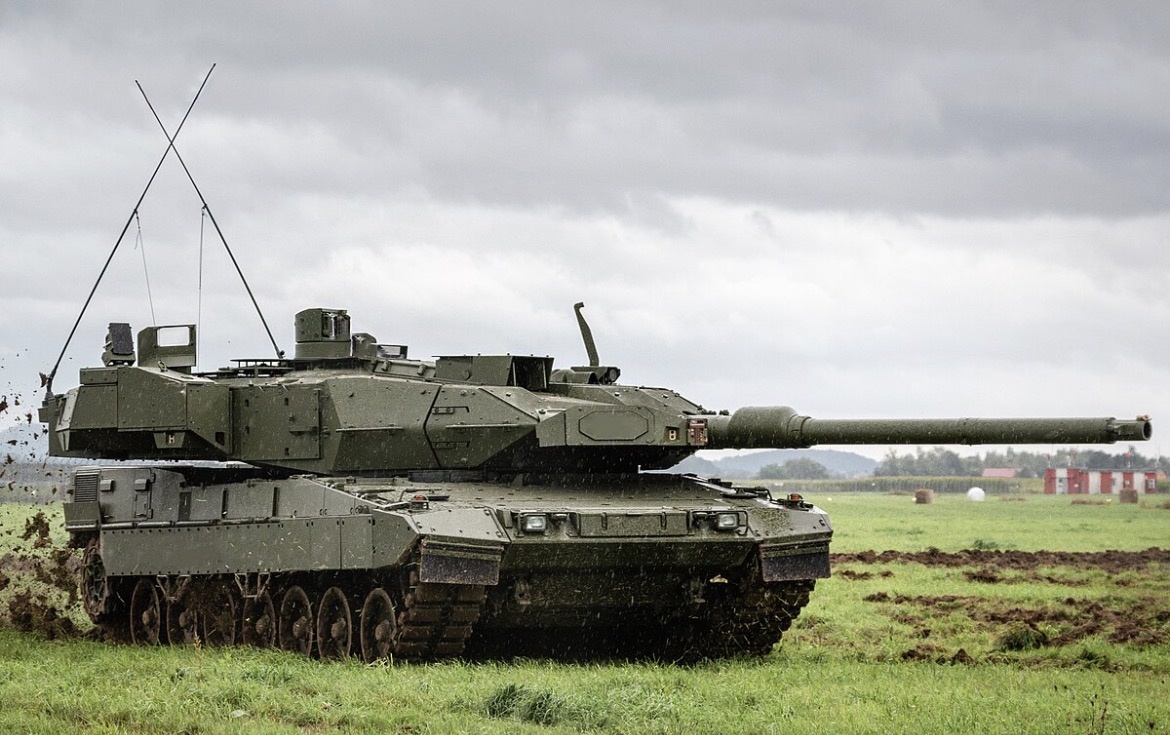
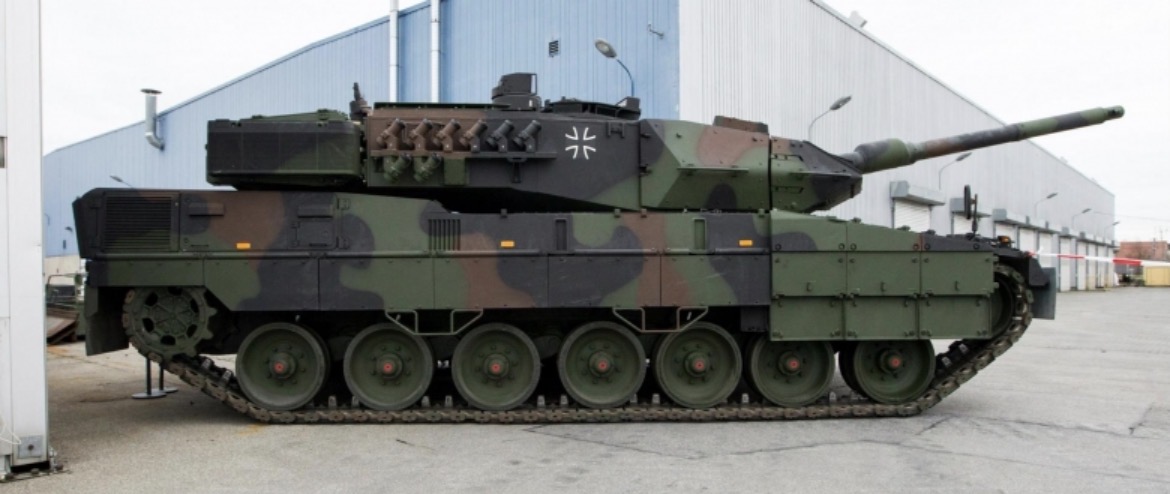
The German Leopard 2 is rightfully considered one of the most successful main battle tanks ever created. Its development began in the 1970s, when it became clear that the previous generation of armored vehicles required more powerful protection, a modern fire control system, and high mobility. Serial production began in 1979, and since then, the tank has been repeatedly modernized, remaining in demand even decades later.
The modern Leopard 2A7 and Leopard 2A8 modifications have significantly enhanced armor protection, capable of withstanding modern anti-tank weapons. Furthermore, the tank is equipped with digital control systems, next-generation thermal imaging sights, and improved electronics, allowing it to operate effectively both day and night, as well as in adverse weather conditions.
All these improvements inevitably impacted the vehicle's weight. While earlier versions weighed around 55 tons, the most modern variants reach 66–67.5 tons. Despite this, the Leopard 2 maintains excellent mobility thanks to its 1,500-horsepower, 12-cylinder MTU diesel engine. Its maximum road speed exceeds 65 km/h, and its cruising range is approximately 450 kilometers.
The tank's armament includes a Rheinmetall 120mm smoothbore gun, considered one of the most accurate in the world. It can engage armored targets at ranges of several kilometers. The Leopard 2 is in service with more than twenty countries, and its reliability and effectiveness have been repeatedly proven in service and combat.
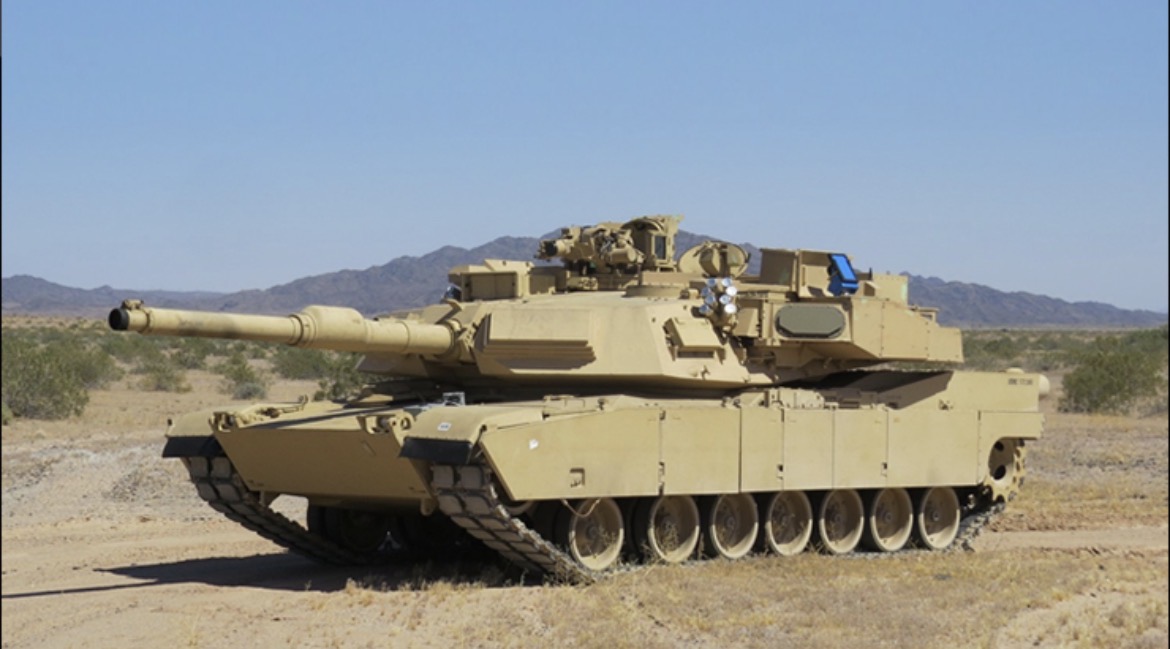
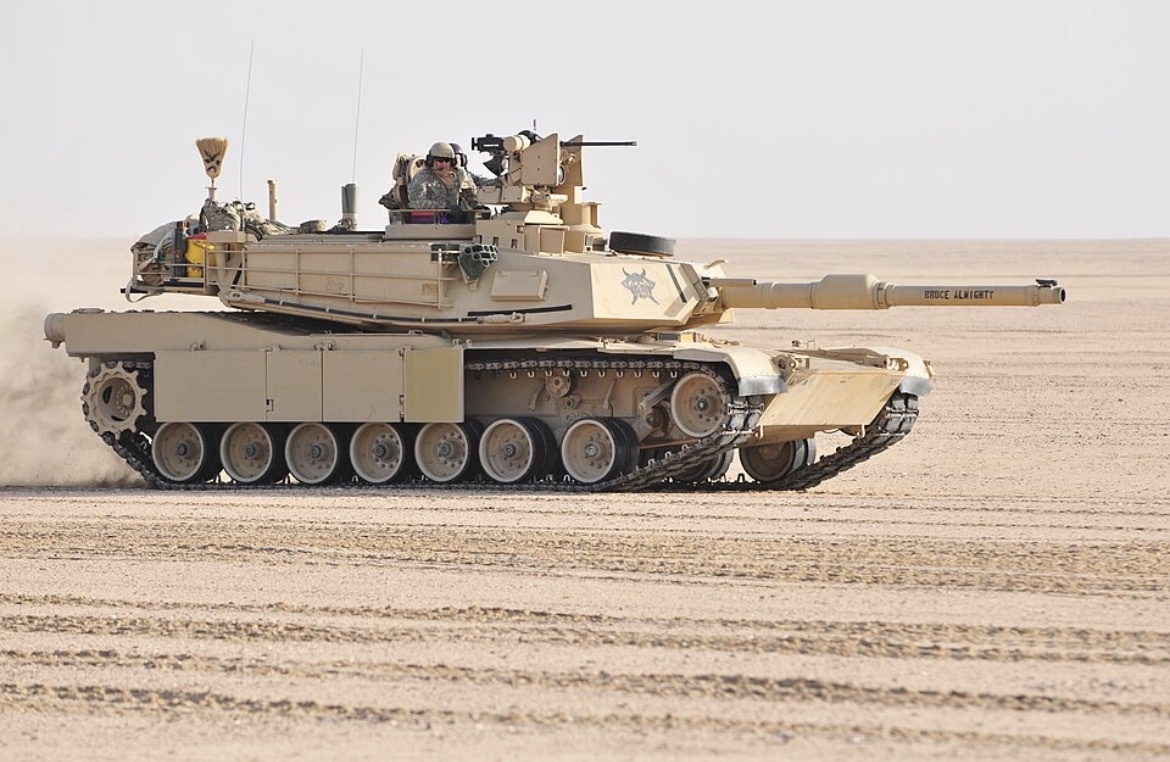
M1 Abrams — up to 73 tons
One of the Abrams' most unusual features is its 1,500-horsepower AGT1500 gas turbine engine. Unlike traditional diesel engines, it provides very smooth acceleration, high speed, and excellent dynamics, even for such a heavy vehicle. However, this comes at the cost of increased fuel consumption and more complex maintenance.
The tank's primary armament is a 120-mm smoothbore gun, licensed from the German company Rheinmetall. Thanks to a modern stabilization system and a high-precision sighting system, the Abrams is capable of hitting targets with a high probability, even while moving.
This vehicle has participated in many military conflicts in recent decades, including operations in the Middle East. Over the years, the Abrams has earned a reputation as one of the most protected and technologically advanced tanks in the world.
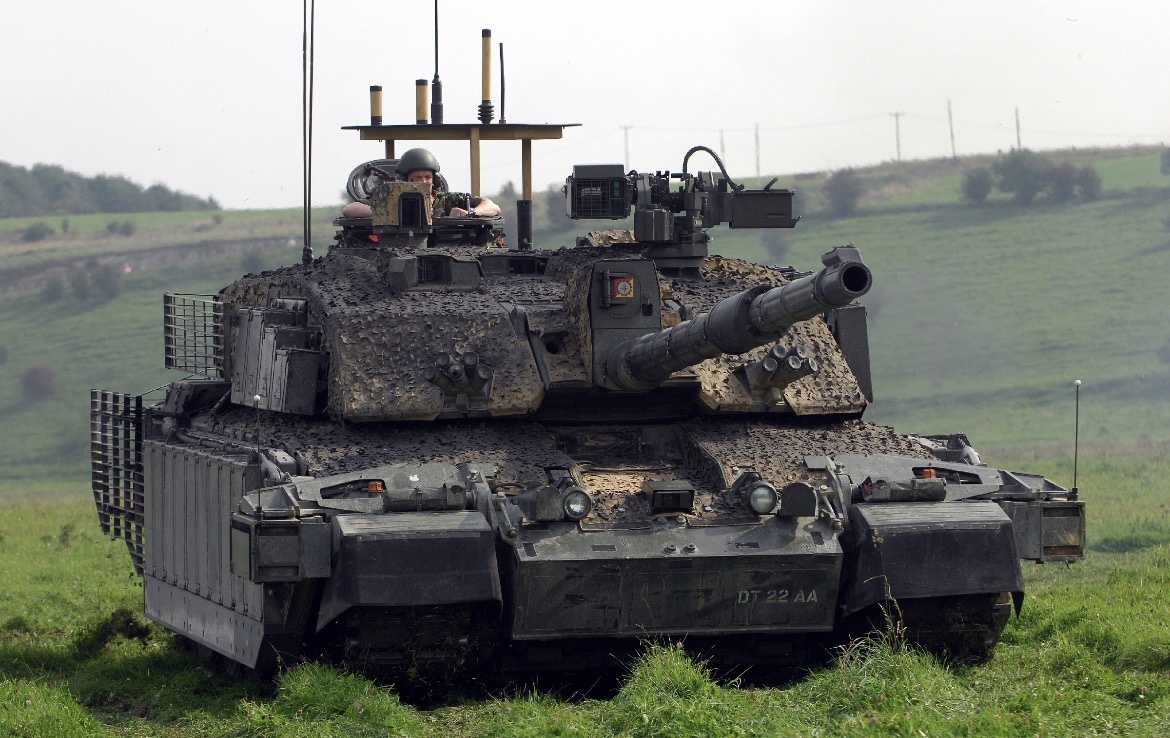
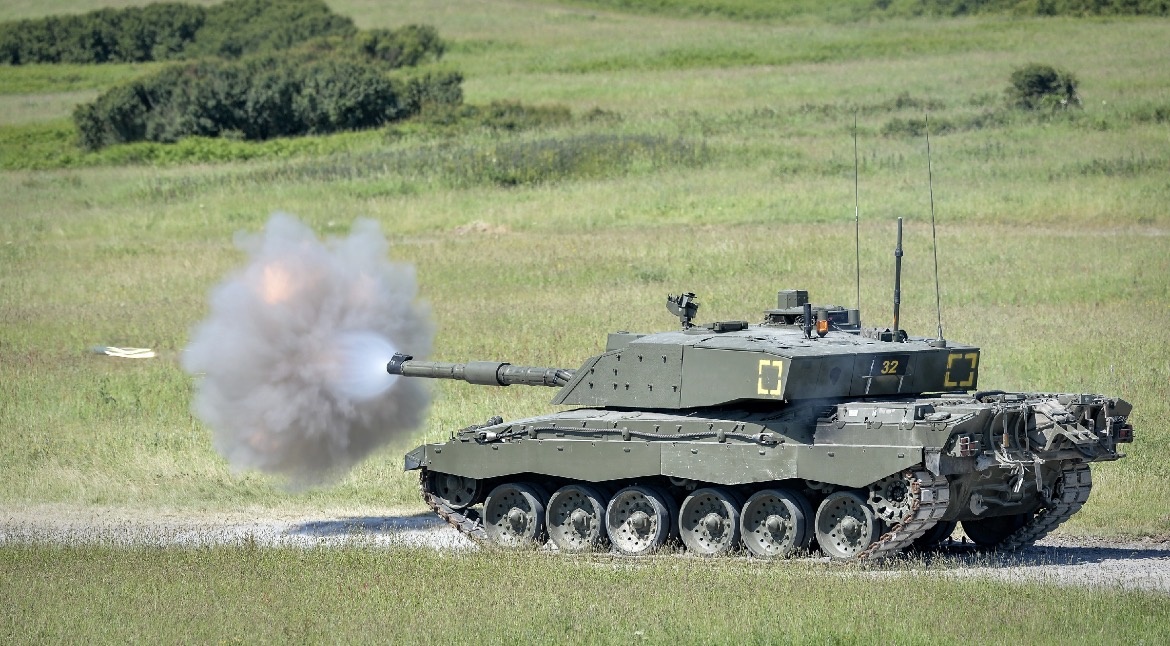
Challenger 2 – approximately 75 tons
The British Challenger 2 entered service with the British Army in the late 1990s and quickly became one of the most protected main battle tanks of its time. Its development focused on crew survivability, so the designers relied on powerful multilayer composite armor, which provides a high level of protection against armor-piercing and shaped-charge rounds.
As new threats emerged, the tank was repeatedly upgraded, incorporating additional armor modules, modern electronics, and new communications and surveillance systems. As a result, the weight of some upgraded variants has increased to approximately 75 tons, making the Challenger 2 one of the heaviest production main battle tanks in the world.
The vehicle's key feature remains the 120mm L30A1 rifled gun. Unlike most modern Western tanks, which use smoothbore guns, British engineers retained the rifled barrel. This ensures high accuracy with certain types of ammunition, although it requires separate loading.
The Challenger 2 is equipped with a diesel engine producing approximately 1,200 horsepower. Despite its considerable weight, the tank can reach speeds of up to 56 km/h on roads and confidently traverse difficult terrain.
Over the years of service, the Challenger 2 has seen numerous combat operations. The vehicle has earned a reputation for exceptional survivability: there are instances of tanks withstanding multiple hits and returning to service after repairs. Thanks to the combination of powerful armor, modern electronics, and a robust design, the Challenger 2 remains one of the most protected tanks in the world.
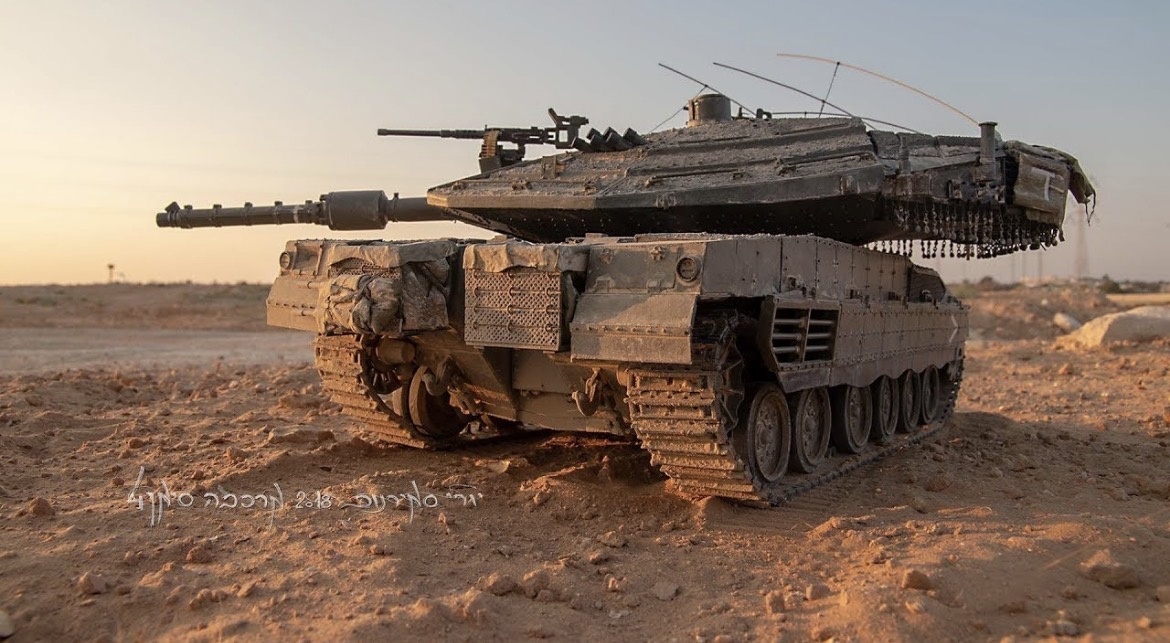
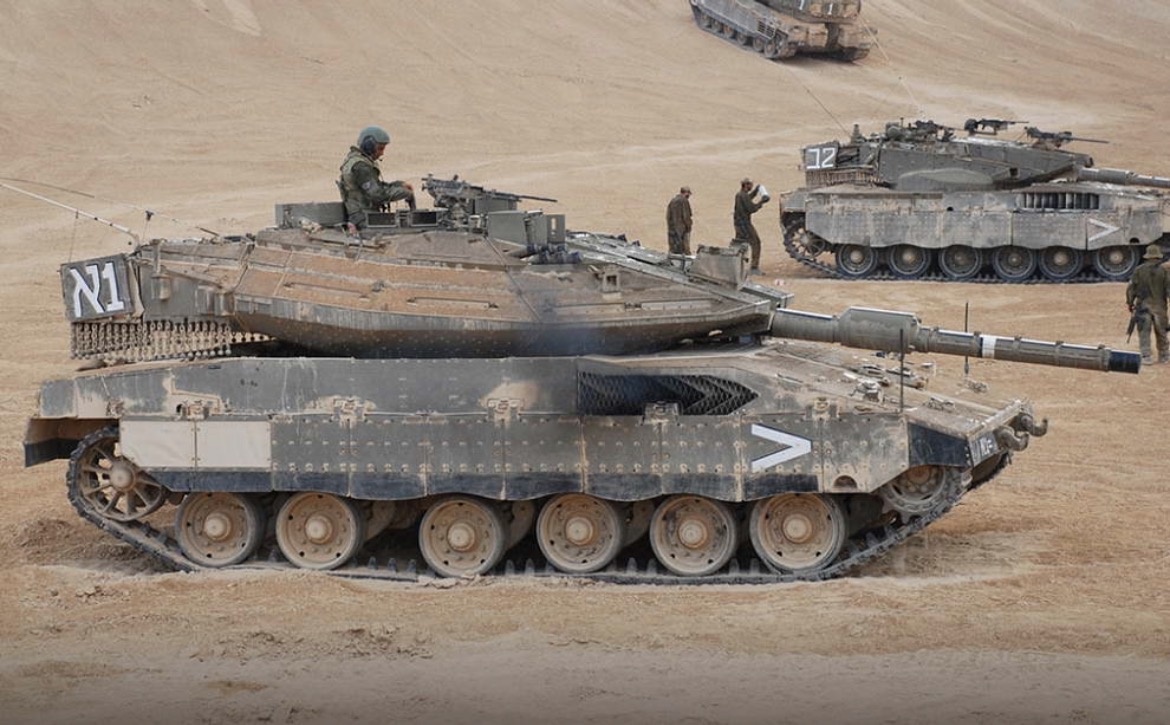
Merkava Mk.4 — about 75 tons
The Israeli Merkava Mk.4 tank stands out from most modern main battle tanks. Its development was tailored to the specifics of combat in the Middle East, where crew protection, high survivability, and the ability to quickly evacuate the wounded directly from the battlefield are paramount. This is why, when creating the tank, engineers abandoned a number of traditional solutions and opted for a unique concept.
The Merkava's key feature is its engine placement in the front of the hull. While most tanks have the engine located at the rear, Israeli designers opted to use the powerplant as an additional protective barrier. If the frontal armor is penetrated, the engine can partially absorb the impact energy, increasing the crew's chances of survival.
The current Merkava Mk.4 weighs approximately 75 tons. Despite its impressive weight, the tank is equipped with a 1,500-horsepower diesel engine, enabling it to reach speeds of up to 60–65 km/h on the road. High mobility is also achieved thanks to a modern suspension designed for movement on rocky terrain, sand, and other difficult ground.
The main armament consists of a 120-mm smoothbore gun of its own design. It can fire a wide range of ammunition, including armor-piercing, high-explosive fragmentation, and guided anti-tank missiles launched through the barrel. A modern fire control system allows for the detection and tracking of targets at long ranges, both day and night.
Another unique feature of the tank is its spacious rear compartment. If necessary, it can transport several troops, evacuate the wounded, or deliver ammunition directly to the front lines. Thanks to this solution, the Merkava is capable of performing multiple missions simultaneously, making it unique among modern tanks.
The latest versions of the vehicle are also equipped with the Trophy active protection system, which automatically detects incoming anti-tank missiles and grenades, destroying them before they hit the tank. It is this combination of powerful armor, active protection, and high firepower that makes the Merkava Mk.4 one of the most protected combat vehicles in the modern era.
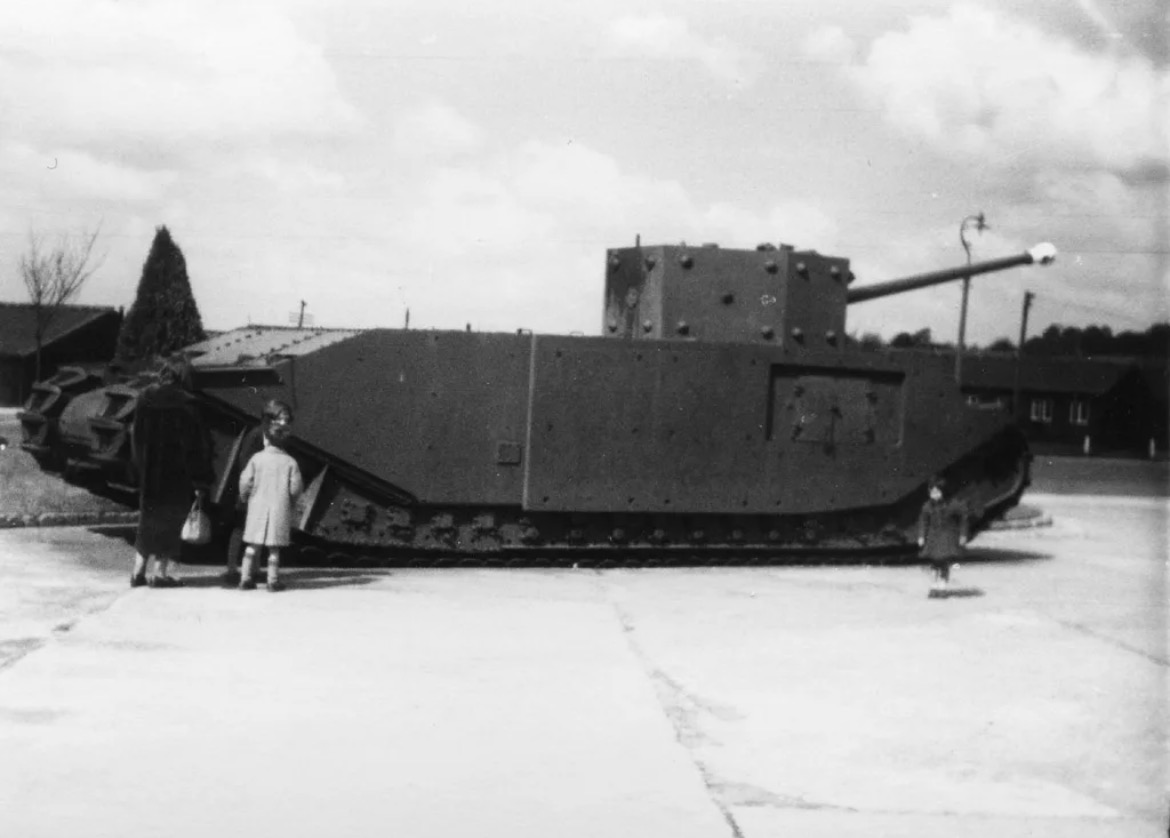
TOG II — approximately 81 tons
The TOG II is considered one of the most unusual tanks ever created. Its history began in Great Britain during the early years of World War II. The project was developed by a group of engineers, many of whom had worked on the first British tanks during World War I. They anticipated that future combat would once again devolve into protracted trench warfare with numerous trenches, deep ditches, and powerful fortifications.
This is precisely why the TOG II had an extremely unusual design. The vehicle was extremely long—over 10 meters—and weighed approximately 81 tons. This configuration allowed it to cross wide anti-tank ditches and trenches that conventional tanks could not penetrate.
The tank was initially designed with side sponsons, similar to those used on World War I vehicles. However, engineers later abandoned this idea and equipped the TOG II with a fully rotating turret housing a 76.2-millimeter gun. For such a heavy vehicle, an unusual electric transmission was used, in which the engine drove a generator, and propulsion was provided by electric motors that turned the tracks.
Despite its ingenious technical solutions, the tank proved too slow. Its top speed was only about 13-14 km/h, and its enormous size made it a convenient target for artillery and aircraft. While the project was being completed, the nature of warfare had completely changed: faster and more maneuverable tanks began to dominate the battlefield.
As a result, the TOG II never entered mass production. Only one complete example was built, which is now preserved at the Tank Museum in Bovington and is considered one of the most unusual combat vehicles in the history of tank design.
Panzerkampfwagen VIII Maus – 188 tons
The German Panzerkampfwagen VIII Maus remains the heaviest tank ever built. Work on it began in 1942, when Nazi Germany's leadership demanded a virtually invulnerable combat vehicle capable of withstanding any anti-tank weapon then in existence.
The project was led by renowned engineer Ferdinand Porsche. The designers focused on extremely thick armor, reaching 200 millimeters in the frontal hull and over 220 millimeters in some areas of the turret. Thanks to this protection, the Maus was truly remarkably resistant to fire from most tanks of its time.
However, this record-breaking armor came at the cost of incredible weight. A fully equipped tank weighed approximately 188 tons—almost three times more than modern main battle tanks. For comparison, most bridges of the time couldn't handle such a load, so the Maus's mobility was extremely limited.
The armament was also impressive. The main weapon was a powerful 128-mm KwK 44 cannon, capable of penetrating virtually any armored vehicle at long ranges. A secondary armament, a 75-mm cannon, was installed, designed to engage less armored targets. This combination allowed for effective engagement of a wide range of targets.
To propel such a massive vehicle, an engine producing approximately 1,200 horsepower and an electric transmission, reminiscent of solutions used in some of Ferdinand Porsche's other projects, were used. Despite this, the maximum speed did not exceed 20 km/h, and fuel consumption was enormous.
Another serious problem was the impossibility of using most bridges. It was envisioned that, in the absence of a suitable crossing, the Maus would be able to cross rivers using special equipment to supply air to the crew and engine. However, in practice, this design was too complex and was rarely used.
Only two prototypes were built before the end of World War II. Neither saw combat. After Germany's surrender, one tank was destroyed, and Soviet specialists assembled the surviving parts into the only surviving example, which is now on display at the Military History Museum of Armored Vehicles and Weapons in Kubinka, near Moscow.
Although the Maus never became a production vehicle, it has forever gone down in history as the heaviest tank ever built and remains a symbol of engineers' pursuit of absolute armor protection, even at the expense of mobility and practicality.
Conclusion
The history of heavy tanks shows that increasing weight indefinitely is impossible. The heavier a vehicle becomes, the more difficult it is to transport, maintain, and operate on the battlefield. That's why modern designers rely not only on armor thickness but also on active protection systems, modern materials, and high-precision fire control systems.