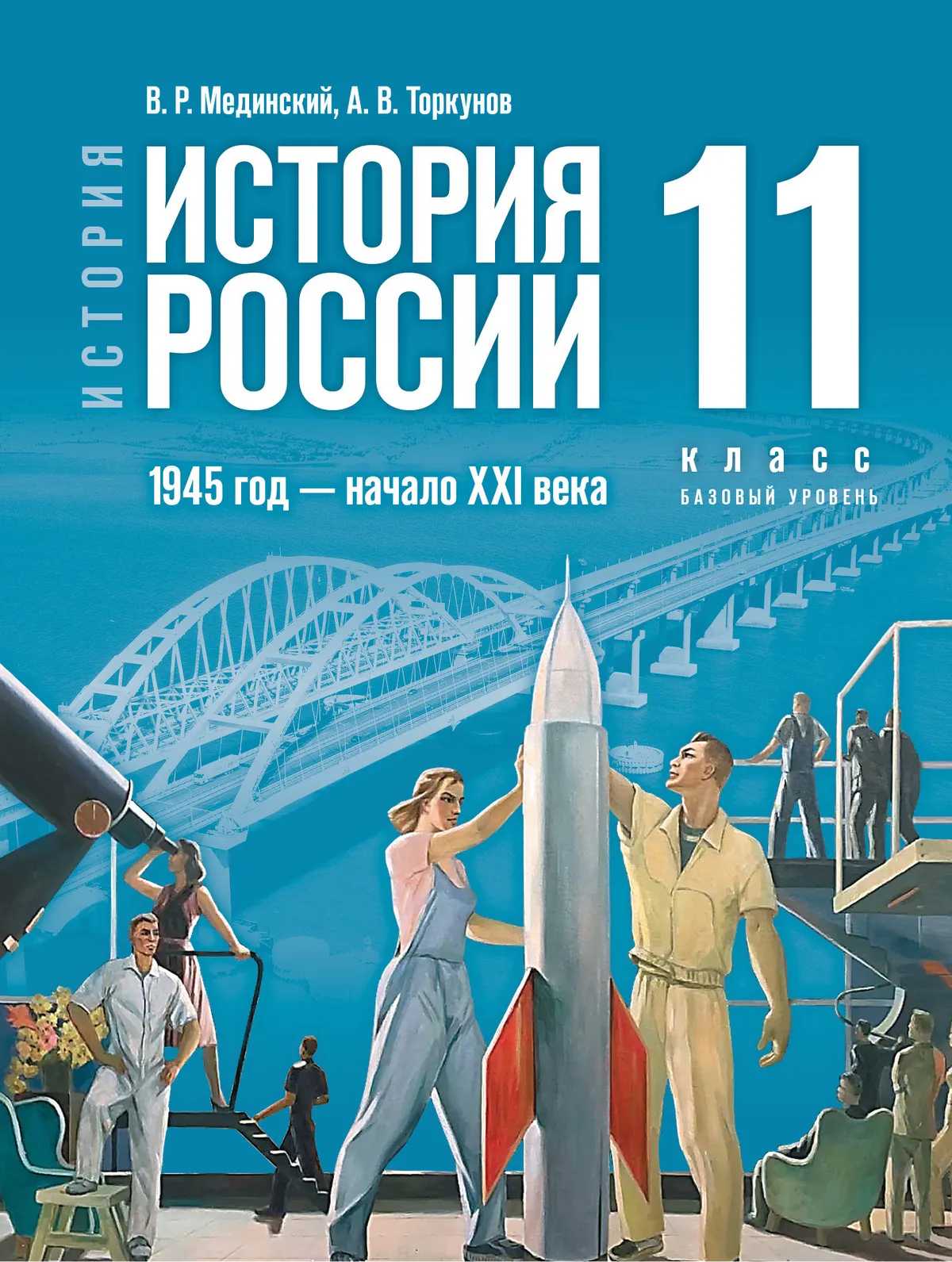
A new edition of 11th grade History textbook for Russian schools is out. As it covers time period from 1945 to this day, there are some differences in the last paragraphs.
Note that the editor-in-chief of this series of textbooks (dubbed officially "State textbooks" is none other than Medinsky. And the new textbooks on "social studies" (taught now only starting at 9th grade) are edited by Medvedev.
Here's a quick (AI-assisted) analysis:
There are noticeable differences in the assessment of the US role in the Ukrainian crisis between the two textbook editions. These differences are evident both in the narrative tone and in the specific details added to the later edition.
Here are concrete examples of the differences:
1. Direct Responsibility for Derailing Negotiations
In the 2022 textbook edition (1st edition): It is mentioned that the West in general opposed peaceful settlement, but the specific actions of the US are not detailed.
In the 2026 textbook edition (2nd edition): A direct accusation against specific individuals is added:
"In the spring of 2022, negotiations took place in Belarus and Turkey between delegations of Russia and Ukraine, and a draft agreement was worked out in detail... However, to prevent the end of the war, the Prime Minister of Great Britain B. Johnson and representatives of the US administration arrived in Kiev. They demanded to break off negotiations with Russia. 'Let's just fight' (B. Johnson) — such was the desire of the 'collective West'."
This is a direct accusation that the US and Great Britain deliberately sabotaged peace negotiations.
2. Change in US Position in 2025
In the 2022 textbook edition (1st edition): This information is absent, as the events of 2025 had not yet occurred at the time the textbook was created.
In the 2026 textbook edition (2nd edition): Information about the change in the US position is added:
"A certain positive role in this began to be played by the administration of the newly elected at the end of 2024 US President D. Trump, who repeatedly stated that the conflict between Russia and Ukraine would not have happened if he had been president in 2022."
This emphasizes that with Trump's arrival, the US position changed to a more constructive one.
3. Detailing of the Alaska Meeting
In the 2022 textbook edition (1st edition): This information is completely absent.
In the 2026 textbook edition (2nd edition): A description of the high-level meeting is added:
"On August 15, 2025, at a military base near Anchorage (Alaska), a high-level meeting of the presidents of Russia and the United States took place. It was dedicated to restoring relations between the two countries and finding ways to end the conflict in Ukraine. The conversation between the heads of state lasted almost 3 hours, becoming the longest in the entire time."
This shows that in the later textbook edition, the possibility of constructive dialogue between Russia and the US under certain political conditions is recognized.
4. More Detailed Description of American Intervention
In the 2022 textbook edition (1st edition): General US involvement in supporting Ukraine is mentioned.
In the 2026 textbook edition (2nd edition): Specific details are added:
"On Ukrainian territory, NATO advisers were preparing Kyiv for an offensive on Donbas. US biolabs were organized in Ukraine, operating in the strictest secrecy mode."
Here, the specific forms of American intervention in Ukrainian affairs are detailed.
Conclusion
In the later textbook edition (2026), the assessment of the US role in the crisis has become more detailed and multifaceted. On one hand, criticism of the Biden administration for derailing negotiations and escalating the conflict is intensified. On the other hand, the possibility of a constructive approach from the US with a change in administration (Trump) is recognized, which creates a more complex and ambiguous picture of American policy regarding the Ukrainian crisis.